October 23 to November 20 (Fridays), 10:00 AM to 12:30 PM, Eastern Time
**All sessions are live and will be recorded, students do not have to be present. All recordings will be available to students for 3 months after the final session, after 3 months the recording will be deleted.
Please check your email spam/junk folder for your Zoom invite. Our business hours are 10:00 AM through 5:00 PM. All course information and email correspondence will be sent during business hours. If students purchase a course, workshop, demo or recording outside business hours or during the weekend the course information or recording will be sent the following business day.
DEMO: https://youtu.be/9tjg3qmHXD0
Course Description
In this class, we will work on small, easel-sized oil paintings, exploring the historical roles and range of small paintings, from quick studies and personal experiments to fully resolved, ambitious works that hold their own among larger canvases.
Moving fluidly between these modes, we will focus on materials, surface, and scale, and on how risk and restraint work together to shape the final image.
Course Outline
Week 1 -
We will discuss the different ways small paintings have been used by artists, ranging from sketches for larger works, personal experiments, and finished works of art. We will explore the qualities of each 'type' of small painting.
Week 2 -
We will explore different supports (paper, panel, canvas, linen) and preparation considerations, and work to discover the unique and personal preferences involved in finding the right surface.
Week 3 -
Through demonstration and practice, students will experiment with painting lean and then slowly add different mediums to accentuate touch and maximize diversity in mark-making.
Week 4 -
We will examine when a small painting functions best as a study and when it demands to be something more. Students will return to one painting to develop, push, and refine further.
Week 5 -
Our final discussion and critique will focus on how small paintings can hold weight on their own terms. The painting(s) students create this week will emphasize coherence, sensitivity, and presence.
Course Materials
Students are encouraged to use what they already have or their own preferred palettes.
Suggested limited palette:
Titanium White
Yellow Ochre
Cadmium Red Light or Burnt Sienna
Ultramarine Blue
Ivory Black or Burnt Umber
Optional additions (not essential):
Viridian
Phthalo Blue (or a different cool blue)
Lemon Yellow
OIL PAINTING MEDIUMS
Solvent like Gamsol or equivalent, for brush cleaning
Small, glass container
Linseed oil
Optional:
Cold wax medium
Damar
BRUSHES
Selection of good-quality brushes: (I find Princeton’s Catalyst brushes to be reliable, but use your preference or what you already have on hand)
Flat brush, small to medium size (approx. 5–10mm)
1–2 filbert brushes, small to medium size
1 Round brush, small to medium size
PAINTING SURFACES
Selection of small surfaces in various types and sizes:
Oil painting paper or watercolor paper that has been prepared with gesso
Canvas or boards (try one of each to get a feel for the difference)
Panel or linen-covered board
Suggested sizes range from approximately 6 inches to 24 inches, whatever you feel is small or easel sized – get a range of sizes so you can explore the difference of scaling up and down.
SURFACE PREPARATION
Acrylic gesso
PVA glue or equivalent (optional)
Small amount of oil paint, acrylic paint, or pigment for tinted grounds (optional)
PALETTE
Glass, wood, or disposable palette suitable for oil paint
Palette knife for mixing paint
MISCELLANEOUS
Scrap paper or oil paper for testing color and value
Jars, cleaning rags, or paper towels
Apron or protective clothing
Disposable gloves
October 23 to November 20 (Fridays), 10:00 AM to 12:30 PM, Eastern Time
**All sessions are live and will be recorded, students do not have to be present. All recordings will be available to students for 3 months after the final session, after 3 months the recording will be deleted.
Please check your email spam/junk folder for your Zoom invite. Our business hours are 10:00 AM through 5:00 PM. All course information and email correspondence will be sent during business hours. If students purchase a course, workshop, demo or recording outside business hours or during the weekend the course information or recording will be sent the following business day.
DEMO: https://youtu.be/9tjg3qmHXD0
Course Description
In this class, we will work on small, easel-sized oil paintings, exploring the historical roles and range of small paintings, from quick studies and personal experiments to fully resolved, ambitious works that hold their own among larger canvases.
Moving fluidly between these modes, we will focus on materials, surface, and scale, and on how risk and restraint work together to shape the final image.
Course Outline
Week 1 -
We will discuss the different ways small paintings have been used by artists, ranging from sketches for larger works, personal experiments, and finished works of art. We will explore the qualities of each 'type' of small painting.
Week 2 -
We will explore different supports (paper, panel, canvas, linen) and preparation considerations, and work to discover the unique and personal preferences involved in finding the right surface.
Week 3 -
Through demonstration and practice, students will experiment with painting lean and then slowly add different mediums to accentuate touch and maximize diversity in mark-making.
Week 4 -
We will examine when a small painting functions best as a study and when it demands to be something more. Students will return to one painting to develop, push, and refine further.
Week 5 -
Our final discussion and critique will focus on how small paintings can hold weight on their own terms. The painting(s) students create this week will emphasize coherence, sensitivity, and presence.
Course Materials
Students are encouraged to use what they already have or their own preferred palettes.
Suggested limited palette:
Titanium White
Yellow Ochre
Cadmium Red Light or Burnt Sienna
Ultramarine Blue
Ivory Black or Burnt Umber
Optional additions (not essential):
Viridian
Phthalo Blue (or a different cool blue)
Lemon Yellow
OIL PAINTING MEDIUMS
Solvent like Gamsol or equivalent, for brush cleaning
Small, glass container
Linseed oil
Optional:
Cold wax medium
Damar
BRUSHES
Selection of good-quality brushes: (I find Princeton’s Catalyst brushes to be reliable, but use your preference or what you already have on hand)
Flat brush, small to medium size (approx. 5–10mm)
1–2 filbert brushes, small to medium size
1 Round brush, small to medium size
PAINTING SURFACES
Selection of small surfaces in various types and sizes:
Oil painting paper or watercolor paper that has been prepared with gesso
Canvas or boards (try one of each to get a feel for the difference)
Panel or linen-covered board
Suggested sizes range from approximately 6 inches to 24 inches, whatever you feel is small or easel sized – get a range of sizes so you can explore the difference of scaling up and down.
SURFACE PREPARATION
Acrylic gesso
PVA glue or equivalent (optional)
Small amount of oil paint, acrylic paint, or pigment for tinted grounds (optional)
PALETTE
Glass, wood, or disposable palette suitable for oil paint
Palette knife for mixing paint
MISCELLANEOUS
Scrap paper or oil paper for testing color and value
Jars, cleaning rags, or paper towels
Apron or protective clothing
Disposable gloves

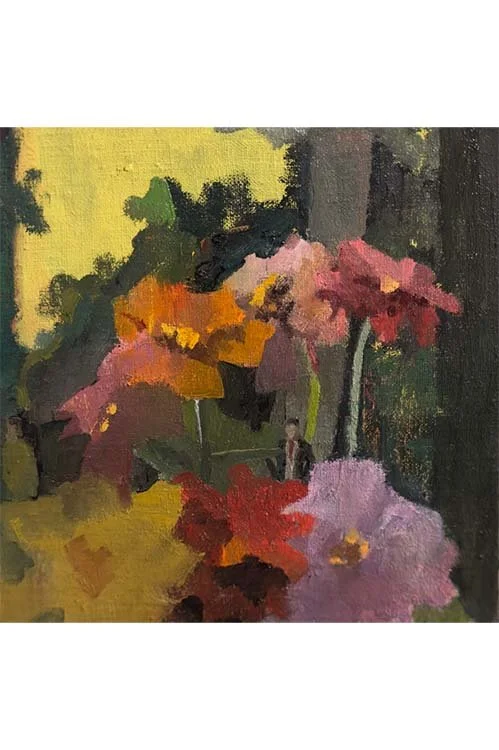 Image 1 of 11
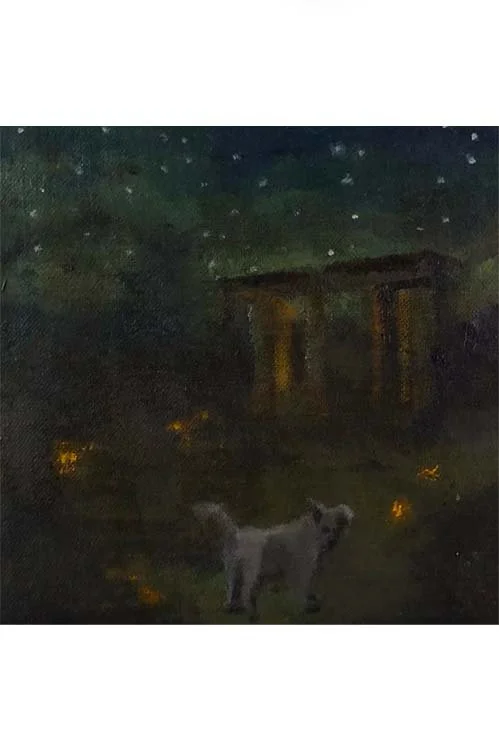 Image 2 of 11
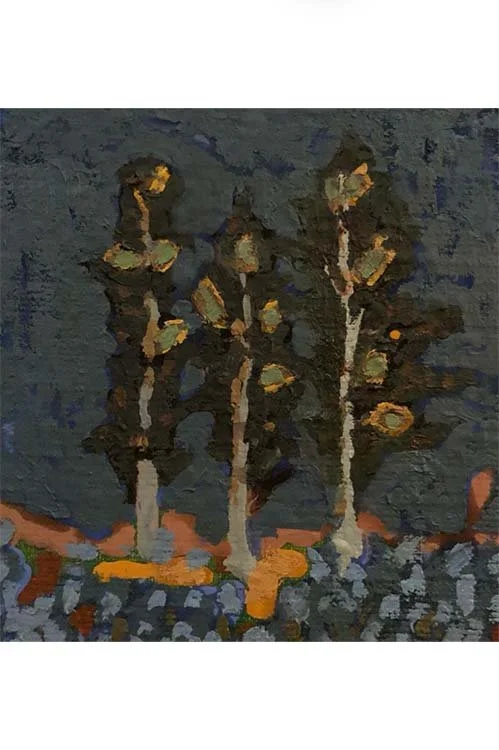 Image 3 of 11
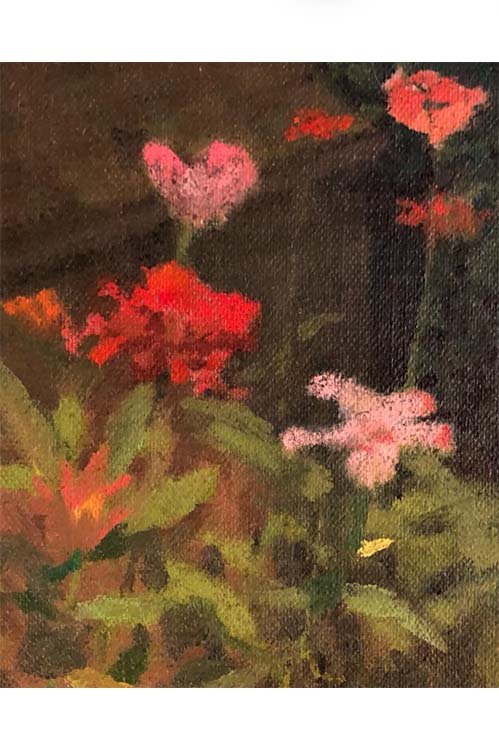 Image 4 of 11
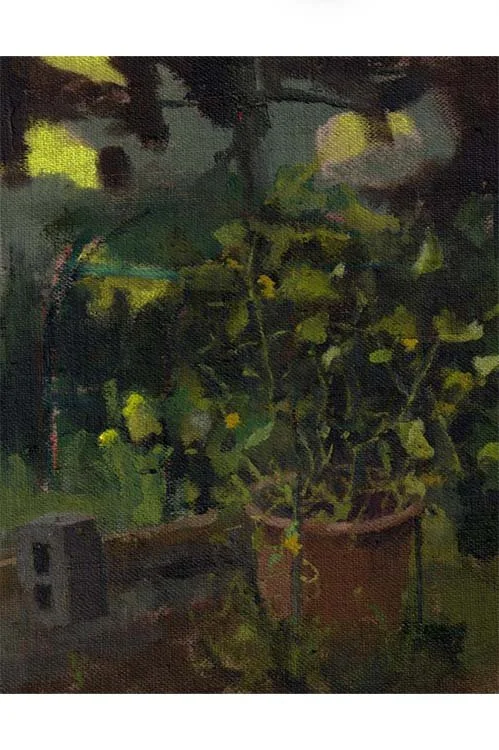 Image 5 of 11
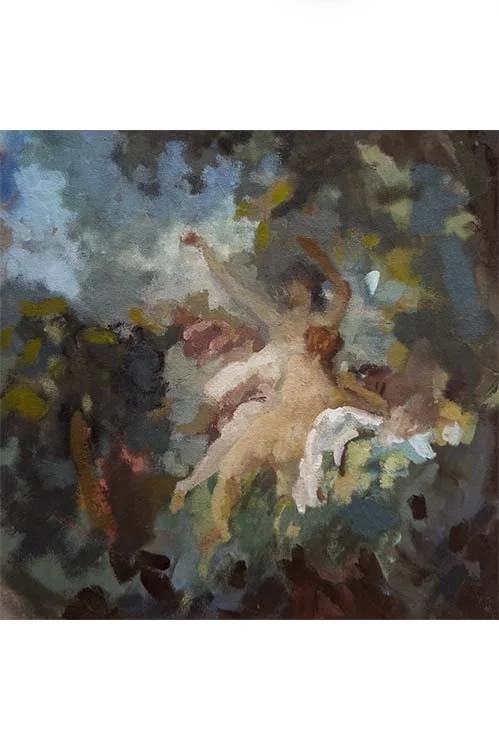 Image 6 of 11
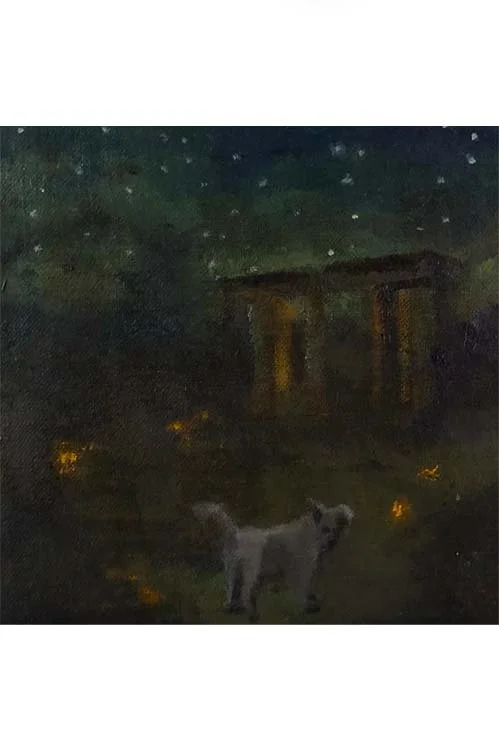 Image 7 of 11
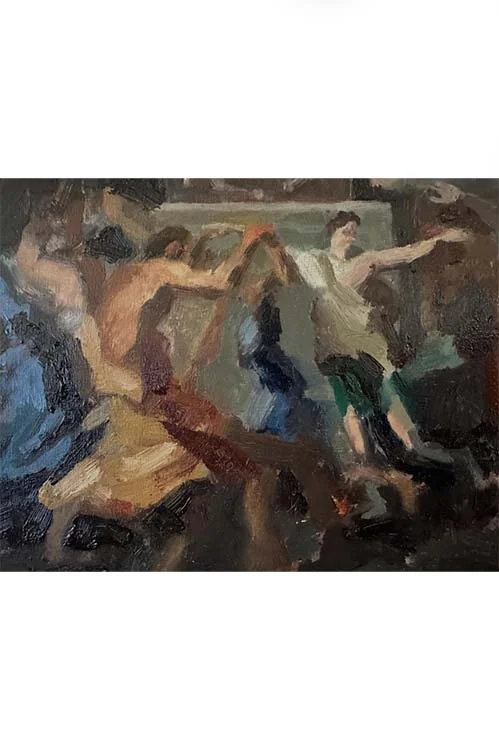 Image 8 of 11
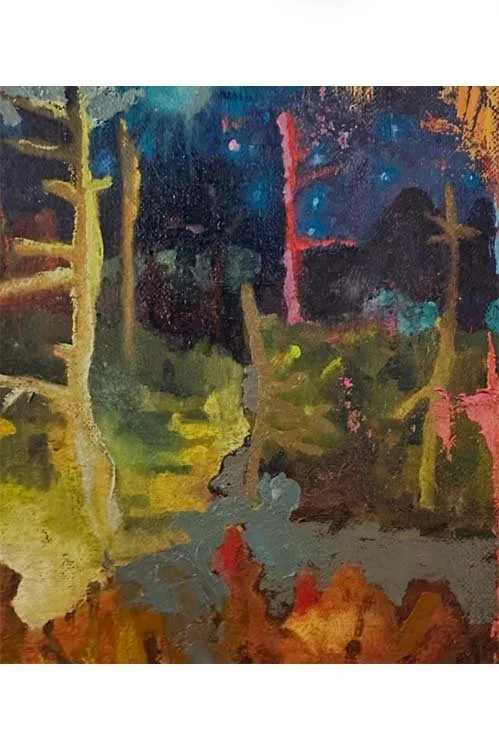 Image 9 of 11
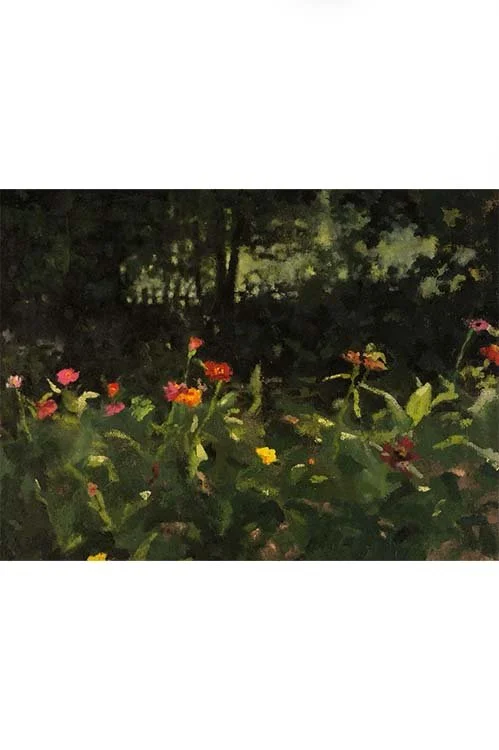 Image 10 of 11
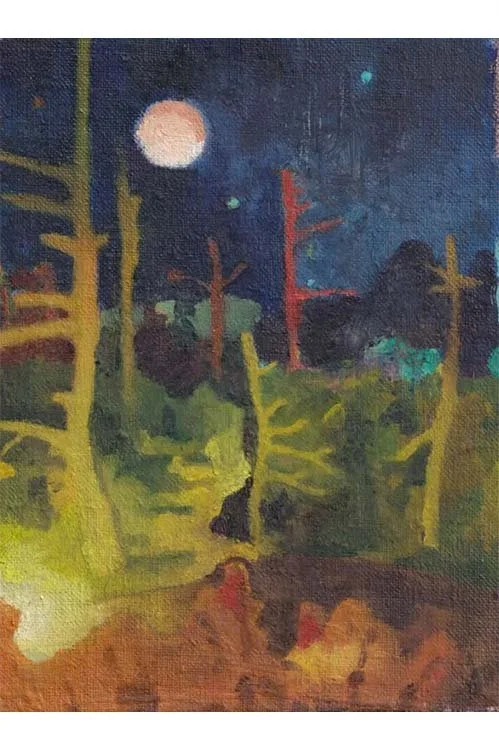 Image 11 of 11