
 Image 1 of 2
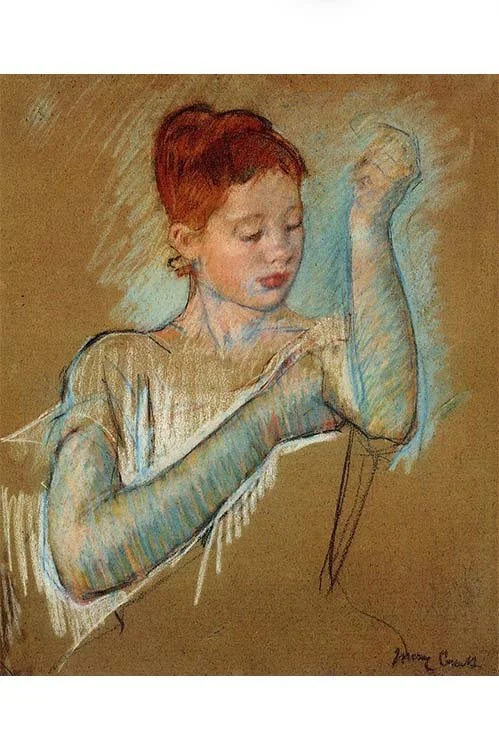 Image 2 of 2
**All sessions are live and will be recorded; students do not have to be present. All recordings will be available to students for 3 months after the final session; after 3 months, the recording will be deleted.
Please check your email spam/junk folder for your Zoom invite. Our business hours are 10:00 AM through 5:00 PM. All course information and email correspondence will be sent during business hours. If students purchase a course, workshop, demo, or recording outside business hours or during the weekend, the course information or recording will be sent the following business day.
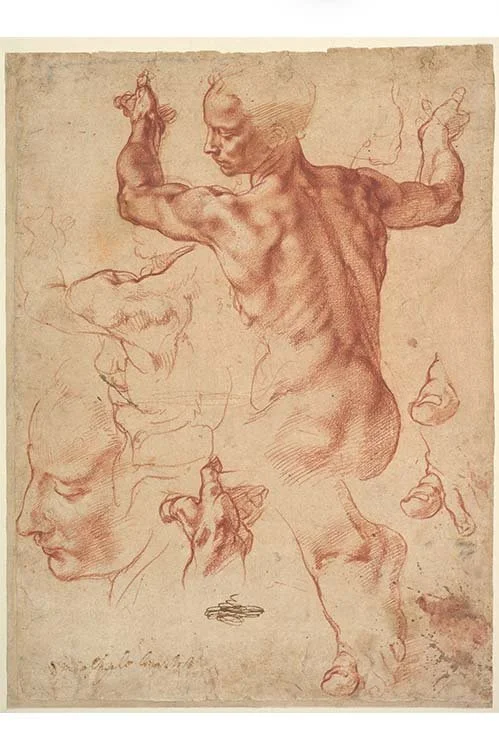
Explore historic and modern methods of drawing in this deep dive into its materials and techniques. Examine both realistic and expressionistic approaches through topics of line, form, materials and value, utilizing visual examples from the Renaissance to the modern eras. Survey artist’s materials including charcoal and graphite pencil, and pastel, as well as methods for watercolor and acrylic incorporations of color and mixed media. Weekly Zoom presentations will feature visual histories, examples, explanations of techniques, and video demonstrations by the instructor. Weekly drawing projects that will be critiqued by the instructor on Padlet. This course contains valuable information for both beginners as well as experienced artists interested in expanding the creative possibilities of drawing in their work.
*Projects exploring the methods can be master copies, drawn from life or from photos
Week 1 - Introduction, materials, Q&A,visual history of drawing, materials, early methods, papers, closed form and hatching. Visual history, tonality, 17th century methods, open form, charcoal and trois coloure. 1st project, samples of drawing methods.
Week 2 - Visual history, pen and wash drawing. Visual history, watercolor drawing, classic methods. Project 2, samples of drawing methods.
Week 3 - Visual history, 18th and 19th Century, pastel drawing. Visual history, Impressionist, romantic and academic methods. Visual history, “essence” and oil drawings on paper. Project 3, samples of drawing methods.
Week 4 - Visual history, early modern drawing and cultural Influences. 4th project, samples of drawing methods.
Week 5 - Visual history, abstract and expressionist drawing, mixed media. Visual history, contemporary drawing. Project 5, samples of drawing methods.
We will discuss all materials in the first class meeting.
Soft vine charcoal
Soft drawing pencil
Kneaded eraser
Red sanguine pencil
White chalk pencil
Basic pastel set
Toned charcoal paper ( grays and browns)
Others TBD
**All sessions are live and will be recorded; students do not have to be present. All recordings will be available to students for 3 months after the final session; after 3 months, the recording will be deleted.
Please check your email spam/junk folder for your Zoom invite. Our business hours are 10:00 AM through 5:00 PM. All course information and email correspondence will be sent during business hours. If students purchase a course, workshop, demo, or recording outside business hours or during the weekend, the course information or recording will be sent the following business day.
Explore historic and modern methods of drawing in this deep dive into its materials and techniques. Examine both realistic and expressionistic approaches through topics of line, form, materials and value, utilizing visual examples from the Renaissance to the modern eras. Survey artist’s materials including charcoal and graphite pencil, and pastel, as well as methods for watercolor and acrylic incorporations of color and mixed media. Weekly Zoom presentations will feature visual histories, examples, explanations of techniques, and video demonstrations by the instructor. Weekly drawing projects that will be critiqued by the instructor on Padlet. This course contains valuable information for both beginners as well as experienced artists interested in expanding the creative possibilities of drawing in their work.
*Projects exploring the methods can be master copies, drawn from life or from photos
Week 1 - Introduction, materials, Q&A,visual history of drawing, materials, early methods, papers, closed form and hatching. Visual history, tonality, 17th century methods, open form, charcoal and trois coloure. 1st project, samples of drawing methods.
Week 2 - Visual history, pen and wash drawing. Visual history, watercolor drawing, classic methods. Project 2, samples of drawing methods.
Week 3 - Visual history, 18th and 19th Century, pastel drawing. Visual history, Impressionist, romantic and academic methods. Visual history, “essence” and oil drawings on paper. Project 3, samples of drawing methods.
Week 4 - Visual history, early modern drawing and cultural Influences. 4th project, samples of drawing methods.
Week 5 - Visual history, abstract and expressionist drawing, mixed media. Visual history, contemporary drawing. Project 5, samples of drawing methods.
We will discuss all materials in the first class meeting.
Soft vine charcoal
Soft drawing pencil
Kneaded eraser
Red sanguine pencil
White chalk pencil
Basic pastel set
Toned charcoal paper ( grays and browns)
Others TBD