Sale Price:
$262.55
Original Price:
$295.00
October 19 to November 16 (Mondays), 10:00 AM to 1:00 PM, Eastern Time
**All sessions are live and will be recorded, students do not have to be present. All recordings will be available to students for 3 months after the final session, after 3 months the recording will be deleted.
Please check your email spam/junk folder for your Zoom invite. Our business hours are 10:00 AM through 5:00 PM. All course information and email correspondence will be sent during business hours. If students purchase a course, workshop, demo or recording outside business hours or during the weekend the course information or recording will be sent the following business day.
DEMO: https://youtu.be/fuqTpsTSAmU
Course Description
Preparation and practice for rapid oil painting from life. Participants will learn how to prepare their own surfaces designed with a particular absorbency and ‘give,’ on which to paint briskly to parallel the movement experienced in the natural world. They will also discover the most helpful tools for applying oil paint on such surfaces. Mediums will be covered simply and colour palettes will be explained.
There will be exercises between classes from which we can all learn. The basic aim is to learn how to deal with changing and moving subjects when using oil paint.
Course Outline
Week 1 -
We will be attaching linen and calico to boards, some in the class and some as exercise between classes. There will be discussion about materials and tools to prepare for the rest of the course. Absorbency talk.
Week 2 -
We will be continuing to prepare the boards by priming them with a half-oil primer which we will be making ourselves. Learning about brushes and how to use them when painting rapidly. Imprimatura colours. Discussion.
Week 3 -
Now the boards are dry, we will learn the art of imprimatura, that is to stain the boards with suitable half tones.
Palette preparation and discussion.
Week 4 -
Painting briskly on the boards in oils with changing subjects. Discussion.
Week 5 -
Looking at outcomes. Round up discussions about what we’ve learned, time to fill any gaps that
participants would like explained or demonstrated. Cleaning methods for regular and heavy use tools.
Course Materials
Wooden panels 7mm thick and about 16ins square, about a dozen
Rabbit skin glue natural, dry granules, not preprepared, 500gms
Decorator’s sponge, coarse
Fine to medium raw artist’s linen, 1yd or metre, unwashed non-upholstery, 2yds raw calico fine to medium
Eggs
1kg titanium white pigment
Small mixing bottle, 250ml
A double boiler (passive, not electric), looks like one saucepan inside another
Small mobile electric hotplate if you have one
Kettle
Table spoon
Large printer’s palette knife
Large bristle priming brush 10cm/4ins
Shallow glass mixing dish
Round glass mixing bowl
Kitchen mixing spatulas, one stiff white plastic, slightly rubberised ones for later mixing in round bowls are useful
Linseed oil cold pressed
Double rectified turpentine 1lt
White spirit
A couple each of medium to large filbert and round bristle brushes
Oil paints
Protective gloves if necessary, although the ground materials are inert and non-toxic
Please bear in mind that a face mask providing A2 protection against organic gases and vapours, P2 protection from medium levels of fine dust or water based mists should be worn when appropriate.
(My personal favourite is the 3M 6002KIT-1 one size respirator kit, which offers both forms of protection)
October 19 to November 16 (Mondays), 10:00 AM to 1:00 PM, Eastern Time
**All sessions are live and will be recorded, students do not have to be present. All recordings will be available to students for 3 months after the final session, after 3 months the recording will be deleted.
Please check your email spam/junk folder for your Zoom invite. Our business hours are 10:00 AM through 5:00 PM. All course information and email correspondence will be sent during business hours. If students purchase a course, workshop, demo or recording outside business hours or during the weekend the course information or recording will be sent the following business day.
DEMO: https://youtu.be/fuqTpsTSAmU
Course Description
Preparation and practice for rapid oil painting from life. Participants will learn how to prepare their own surfaces designed with a particular absorbency and ‘give,’ on which to paint briskly to parallel the movement experienced in the natural world. They will also discover the most helpful tools for applying oil paint on such surfaces. Mediums will be covered simply and colour palettes will be explained.
There will be exercises between classes from which we can all learn. The basic aim is to learn how to deal with changing and moving subjects when using oil paint.
Course Outline
Week 1 -
We will be attaching linen and calico to boards, some in the class and some as exercise between classes. There will be discussion about materials and tools to prepare for the rest of the course. Absorbency talk.
Week 2 -
We will be continuing to prepare the boards by priming them with a half-oil primer which we will be making ourselves. Learning about brushes and how to use them when painting rapidly. Imprimatura colours. Discussion.
Week 3 -
Now the boards are dry, we will learn the art of imprimatura, that is to stain the boards with suitable half tones.
Palette preparation and discussion.
Week 4 -
Painting briskly on the boards in oils with changing subjects. Discussion.
Week 5 -
Looking at outcomes. Round up discussions about what we’ve learned, time to fill any gaps that
participants would like explained or demonstrated. Cleaning methods for regular and heavy use tools.
Course Materials
Wooden panels 7mm thick and about 16ins square, about a dozen
Rabbit skin glue natural, dry granules, not preprepared, 500gms
Decorator’s sponge, coarse
Fine to medium raw artist’s linen, 1yd or metre, unwashed non-upholstery, 2yds raw calico fine to medium
Eggs
1kg titanium white pigment
Small mixing bottle, 250ml
A double boiler (passive, not electric), looks like one saucepan inside another
Small mobile electric hotplate if you have one
Kettle
Table spoon
Large printer’s palette knife
Large bristle priming brush 10cm/4ins
Shallow glass mixing dish
Round glass mixing bowl
Kitchen mixing spatulas, one stiff white plastic, slightly rubberised ones for later mixing in round bowls are useful
Linseed oil cold pressed
Double rectified turpentine 1lt
White spirit
A couple each of medium to large filbert and round bristle brushes
Oil paints
Protective gloves if necessary, although the ground materials are inert and non-toxic
Please bear in mind that a face mask providing A2 protection against organic gases and vapours, P2 protection from medium levels of fine dust or water based mists should be worn when appropriate.
(My personal favourite is the 3M 6002KIT-1 one size respirator kit, which offers both forms of protection)

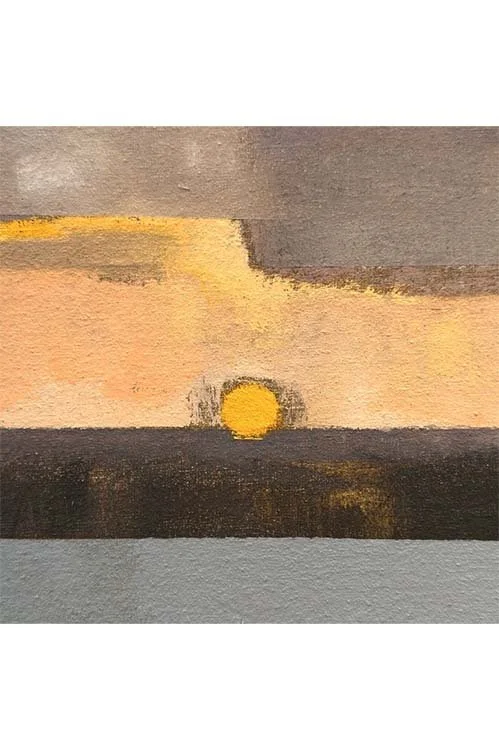 Image 1 of 9
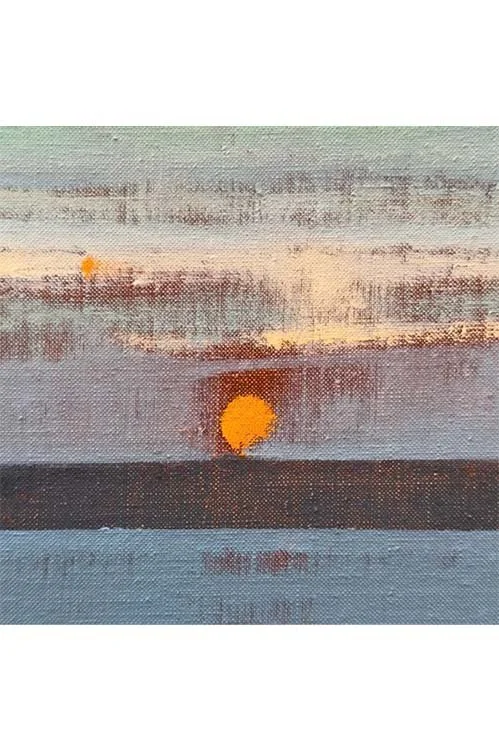 Image 2 of 9
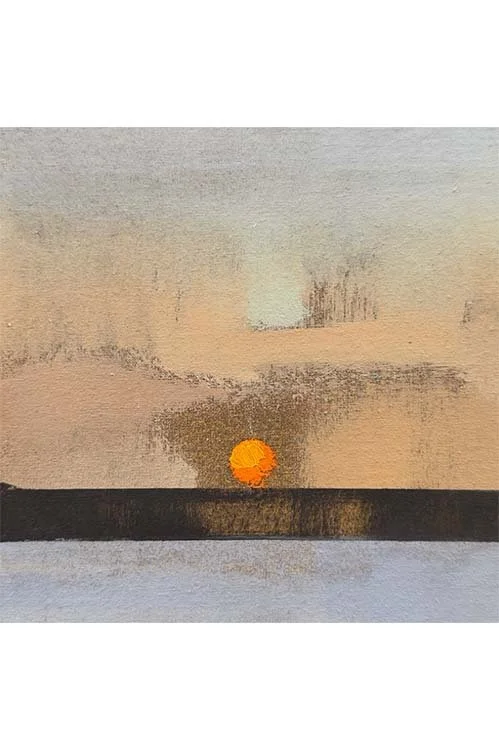 Image 3 of 9
 Image 4 of 9
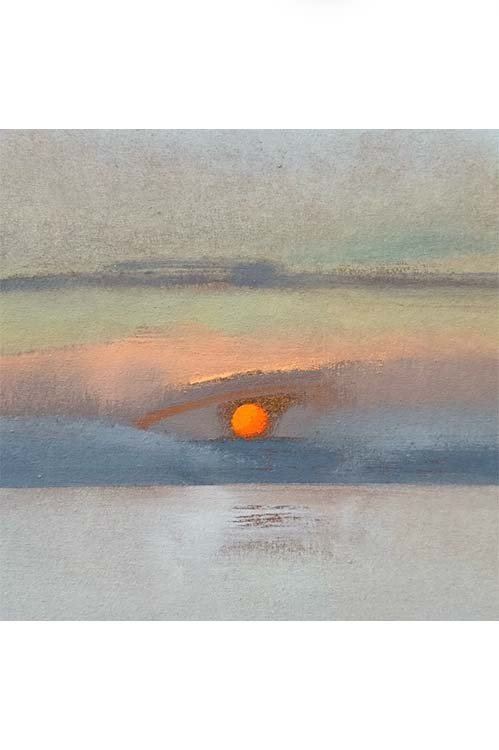 Image 5 of 9
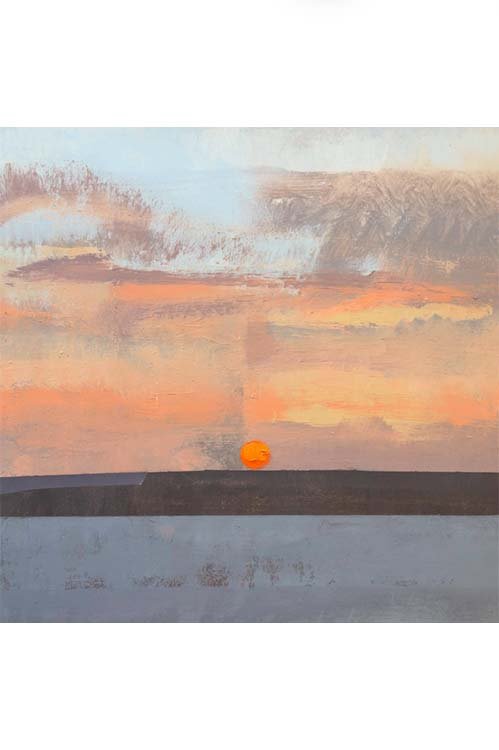 Image 6 of 9
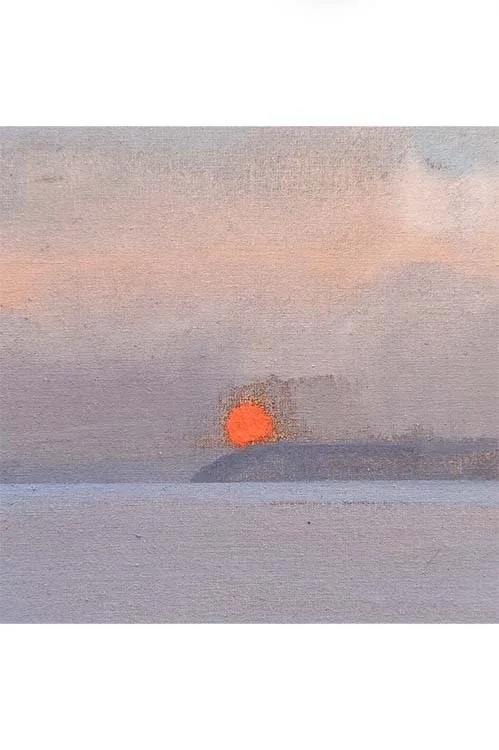 Image 7 of 9
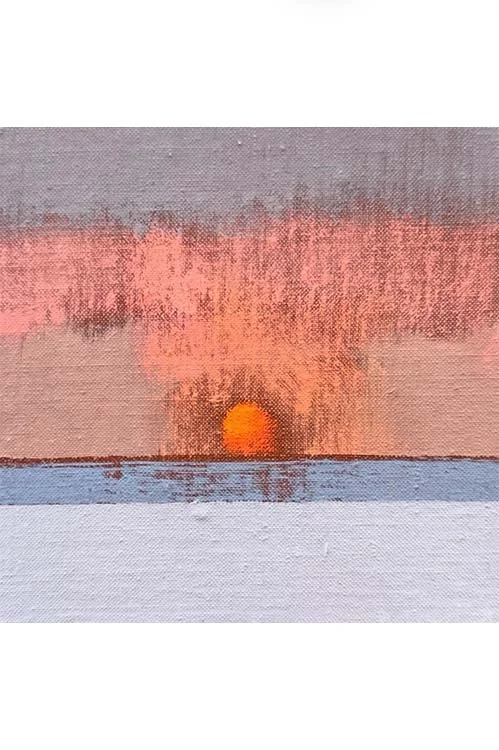 Image 8 of 9
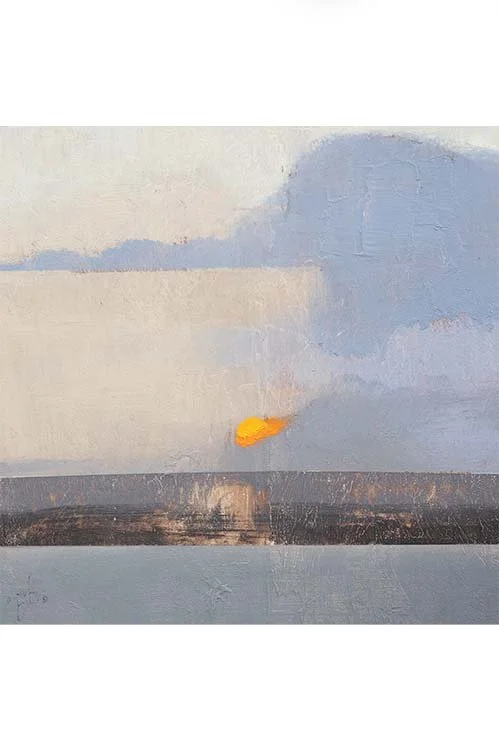 Image 9 of 9