Sale Price:
$265.50
Original Price:
$295.00
October 3 to October 31 (Saturdays), 10:00 AM to 1:00 PM, Eastern Time
**All sessions are live and will be recorded, students do not have to be present. All recordings will be available to students for 3 months after the final session, after 3 months the recording will be deleted.
Please check your email spam/junk folder for your Zoom invite. Our business hours are 10:00 AM through 5:00 PM. All course information and email correspondence will be sent during business hours. If students purchase a course, workshop, demo or recording outside business hours or during the weekend the course information or recording will be sent the following business day.
DEMO: https://youtu.be/zqoQlAsrQwE
Course Description
Maintaining a studio practice requires deep investigation into those strange and wonderful things that captivate your mind, heart, and spirit. For some of us, the most ordinary subject matter holds the most magic. In this class we will take inspiration from Isabel Quintanilla and Giorgio Morandi; though different in style, both artists used similar formal devices to make compelling images of quiet still life. In the spirit of their oeuvres, we will practice sustained exploration of a subject, the nuance of neutral colors, and what it means to lose an edge.
Course Outline
Week 1: master copies for composition, value, and color.
Week 2: nuance in repetition: studying the same subject multiple times.
Week 3: found vs. arranged subjects: creating visual order out of the mundane.
Week 4: what color is white?
Week 5: lost edges, and what resolved means in your practice.
Course Materials
Suggested colors: titanium white, bismuth yellow, cadmium yellow medium, yellow ochre, cadmium orange deep, cadmium red light, quinacridone red, ultramarine blue, cobalt blue, sap green, viridian, raw umber.
Any basic double primary palette will work well. You are more than welcome to supplement these with any colors that you use regularly.
I’ll be demoing with oils, but please feel free to use whatever kind of paint you prefer.
Whenever possible, choose artist grade paints and avoid anything that says “hue”.
Brushes: a range of sizes in flats and rounds (at least one small, medium, and large is a good place to start)
Palette with enough surface area to mix a range of colors and values (16x20” is a good size)
Palette knife for mixing color on the palette
10-15 ready to paint surfaces for quick sketches and more finished paintings. Any surfaces you prefer (canvas, panel, linen, etc) are welcome.
Rags or paper towels
Solvents and medium of your choice (optional)
Sketchbook and pencil for thumbnails and notes
October 3 to October 31 (Saturdays), 10:00 AM to 1:00 PM, Eastern Time
**All sessions are live and will be recorded, students do not have to be present. All recordings will be available to students for 3 months after the final session, after 3 months the recording will be deleted.
Please check your email spam/junk folder for your Zoom invite. Our business hours are 10:00 AM through 5:00 PM. All course information and email correspondence will be sent during business hours. If students purchase a course, workshop, demo or recording outside business hours or during the weekend the course information or recording will be sent the following business day.
DEMO: https://youtu.be/zqoQlAsrQwE
Course Description
Maintaining a studio practice requires deep investigation into those strange and wonderful things that captivate your mind, heart, and spirit. For some of us, the most ordinary subject matter holds the most magic. In this class we will take inspiration from Isabel Quintanilla and Giorgio Morandi; though different in style, both artists used similar formal devices to make compelling images of quiet still life. In the spirit of their oeuvres, we will practice sustained exploration of a subject, the nuance of neutral colors, and what it means to lose an edge.
Course Outline
Week 1: master copies for composition, value, and color.
Week 2: nuance in repetition: studying the same subject multiple times.
Week 3: found vs. arranged subjects: creating visual order out of the mundane.
Week 4: what color is white?
Week 5: lost edges, and what resolved means in your practice.
Course Materials
Suggested colors: titanium white, bismuth yellow, cadmium yellow medium, yellow ochre, cadmium orange deep, cadmium red light, quinacridone red, ultramarine blue, cobalt blue, sap green, viridian, raw umber.
Any basic double primary palette will work well. You are more than welcome to supplement these with any colors that you use regularly.
I’ll be demoing with oils, but please feel free to use whatever kind of paint you prefer.
Whenever possible, choose artist grade paints and avoid anything that says “hue”.
Brushes: a range of sizes in flats and rounds (at least one small, medium, and large is a good place to start)
Palette with enough surface area to mix a range of colors and values (16x20” is a good size)
Palette knife for mixing color on the palette
10-15 ready to paint surfaces for quick sketches and more finished paintings. Any surfaces you prefer (canvas, panel, linen, etc) are welcome.
Rags or paper towels
Solvents and medium of your choice (optional)
Sketchbook and pencil for thumbnails and notes

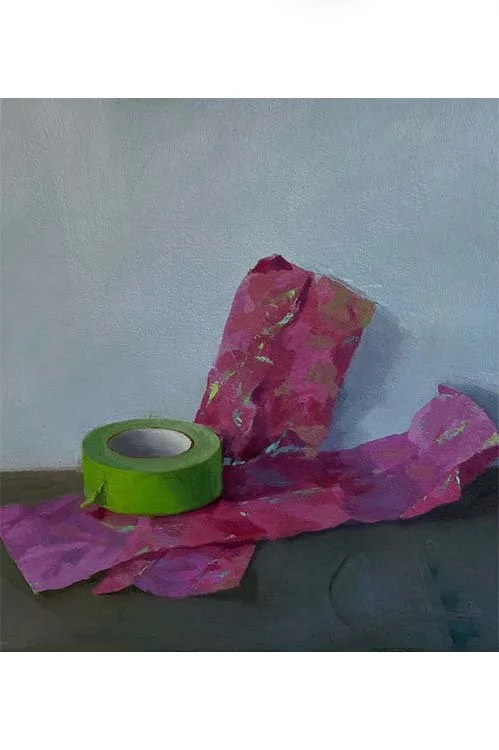 Image 1 of 8
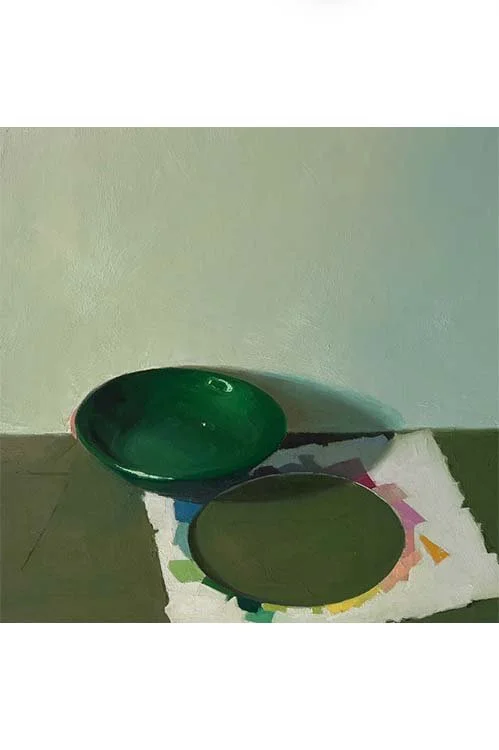 Image 2 of 8
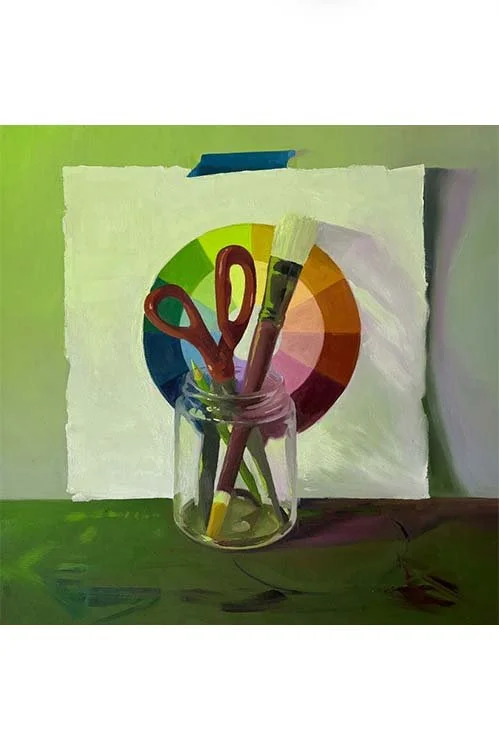 Image 3 of 8
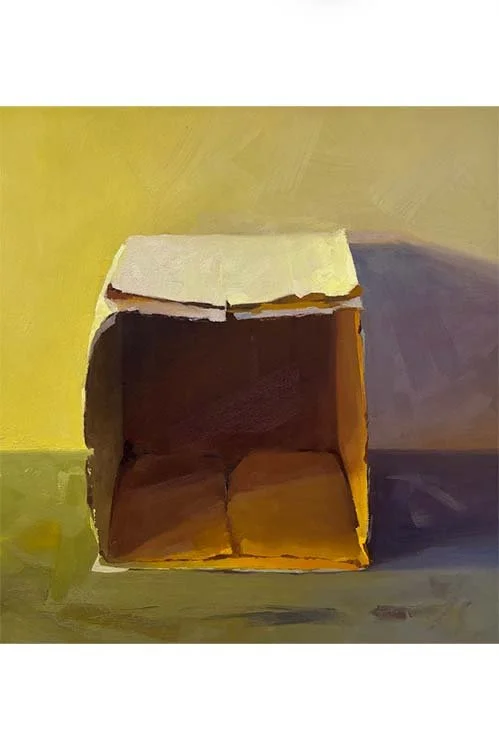 Image 4 of 8
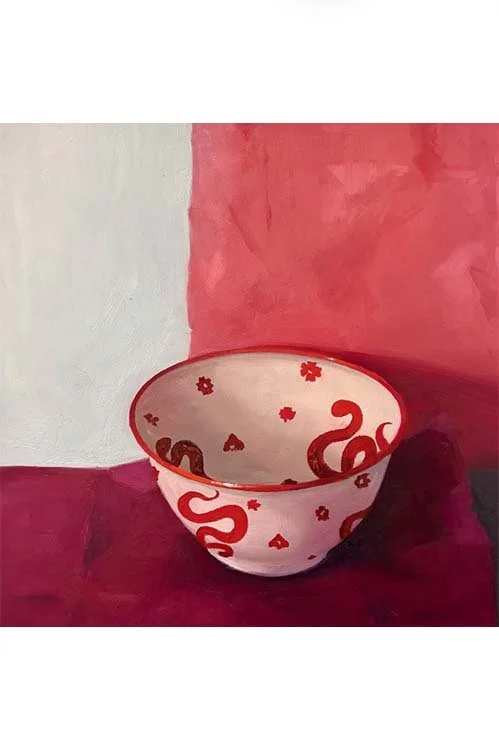 Image 5 of 8
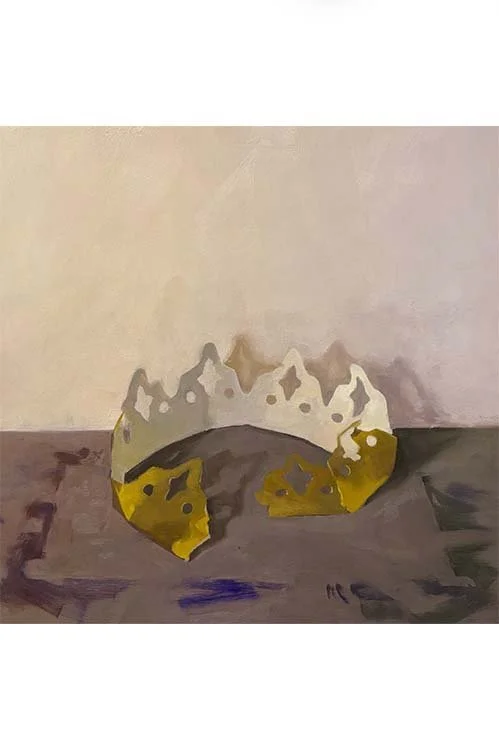 Image 6 of 8
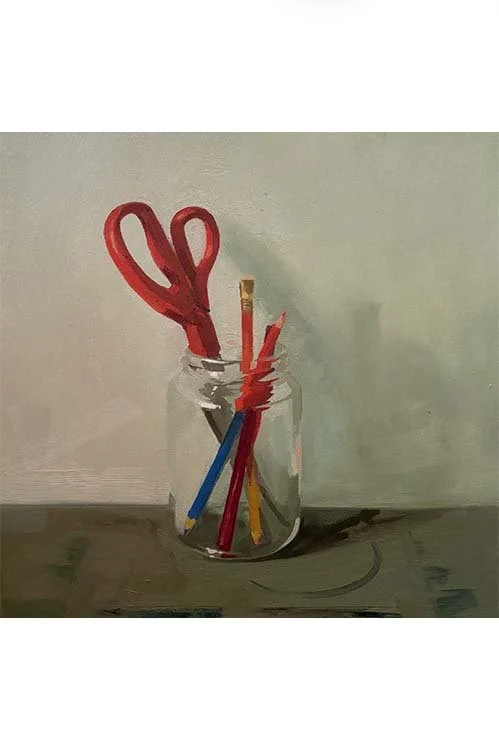 Image 7 of 8
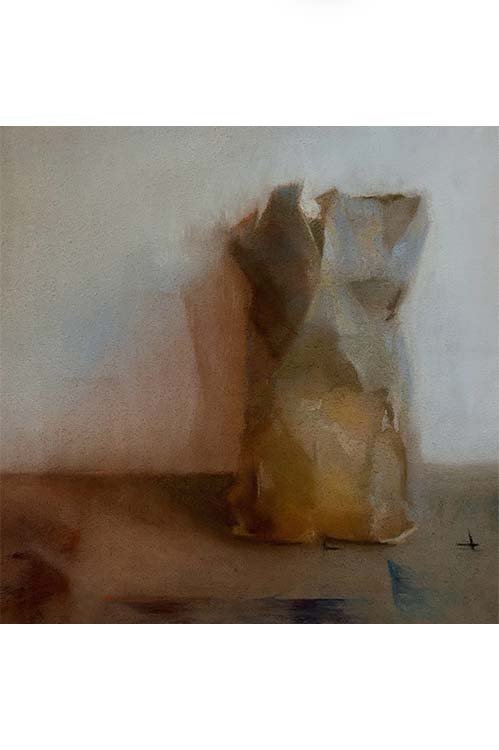 Image 8 of 8