October 6 to November 3 (Tuesdays), 10:00 AM to 12:30 PM, Eastern Time
**All sessions are live and will be recorded; students do not have to be present. All recordings will be available to students for 3 months after the final session; after 3 months, the recording will be deleted.
Please check your email spam/junk folder for your Zoom invite. Our business hours are 10:00 AM through 5:00 PM. All course information and email correspondence will be sent during business hours. If students purchase a course, workshop, demo, or recording outside business hours or during the weekend, the course information or recording will be sent the following business day.
DEMO:
Course Description
An entire course dedicated to the creation of a portrait, step by step. We will study briefly how the old masters painted portraits. Then, from some photographical documents I will provide, we will start to draw. Drawing is important to be sure of the proportions . Then we will create a « grisaille » (a grey tones painting), to understand values and volumes. After this , I will explain and demonstrate how to create a accurate palette, and adding colors to achieve a expressive portrait.
Course Outline
Week 1 - Study about portraits in art history
During this first lesson, I will talk about the portraits of old masters and the technic they used. Then I also study the portrait with different combinaisons of lights and how the volumes appear.
Week 2 - Studies, drawings
With the help of photos I will provide, we will exercices with proportions, volumes and values
Week 3 - Grisaille
In this lesson, we will go on working on a portrait but now will oil, but only black/white and grey , to understand the values.
Week 4 - Palette
In this lesson will will study how to create a palette of tones, to represent the portrait in a realistic way, but also in a non realistic way.
Week 5 - Last session, background and edges
The last session will be about commenting the works, giving advices, and going further in the creation of a background and how to deal with the edges.
Course Materials
Oil paint (acrylic is ok too)
Colours:
Ultramarine Blue
Cerulean Blue
Turquoise blue
viridian phtalo green
Quinacridone Red
Scarlet lake red
Hansa yellow medium
Permanent Yellow medium
Raw umber
Yellow Ochre
Titanium White
Brushes and tool
Brushes : Synthetic flats, round, in a variety of sizes.
One fan brush, size 6 (more or less)
One spalter 4/6 cm .
Catalyst Galet Sculpteur (a white rubber tool)
Triangular palette knife
Rags/paper towels
Medium
Liquin
Gamsol or « green for oil « , Sennelier
Palette:
tear off palette
Surfaces
For example:
Oil painting paper , small canvases ,
Ampersand Gessobord. 20 x 20 cm , 24 x 30 cm, 30 x 40 cm or larger.
BUT: take the surfaces you like to work with.
For sketches
A bloc of paper for sketches (15x20 cm) more or less, graphite pencils 5B 3B , HB, rubber.
October 6 to November 3 (Tuesdays), 10:00 AM to 12:30 PM, Eastern Time
**All sessions are live and will be recorded; students do not have to be present. All recordings will be available to students for 3 months after the final session; after 3 months, the recording will be deleted.
Please check your email spam/junk folder for your Zoom invite. Our business hours are 10:00 AM through 5:00 PM. All course information and email correspondence will be sent during business hours. If students purchase a course, workshop, demo, or recording outside business hours or during the weekend, the course information or recording will be sent the following business day.
DEMO:
Course Description
An entire course dedicated to the creation of a portrait, step by step. We will study briefly how the old masters painted portraits. Then, from some photographical documents I will provide, we will start to draw. Drawing is important to be sure of the proportions . Then we will create a « grisaille » (a grey tones painting), to understand values and volumes. After this , I will explain and demonstrate how to create a accurate palette, and adding colors to achieve a expressive portrait.
Course Outline
Week 1 - Study about portraits in art history
During this first lesson, I will talk about the portraits of old masters and the technic they used. Then I also study the portrait with different combinaisons of lights and how the volumes appear.
Week 2 - Studies, drawings
With the help of photos I will provide, we will exercices with proportions, volumes and values
Week 3 - Grisaille
In this lesson, we will go on working on a portrait but now will oil, but only black/white and grey , to understand the values.
Week 4 - Palette
In this lesson will will study how to create a palette of tones, to represent the portrait in a realistic way, but also in a non realistic way.
Week 5 - Last session, background and edges
The last session will be about commenting the works, giving advices, and going further in the creation of a background and how to deal with the edges.
Course Materials
Oil paint (acrylic is ok too)
Colours:
Ultramarine Blue
Cerulean Blue
Turquoise blue
viridian phtalo green
Quinacridone Red
Scarlet lake red
Hansa yellow medium
Permanent Yellow medium
Raw umber
Yellow Ochre
Titanium White
Brushes and tool
Brushes : Synthetic flats, round, in a variety of sizes.
One fan brush, size 6 (more or less)
One spalter 4/6 cm .
Catalyst Galet Sculpteur (a white rubber tool)
Triangular palette knife
Rags/paper towels
Medium
Liquin
Gamsol or « green for oil « , Sennelier
Palette:
tear off palette
Surfaces
For example:
Oil painting paper , small canvases ,
Ampersand Gessobord. 20 x 20 cm , 24 x 30 cm, 30 x 40 cm or larger.
BUT: take the surfaces you like to work with.
For sketches
A bloc of paper for sketches (15x20 cm) more or less, graphite pencils 5B 3B , HB, rubber.

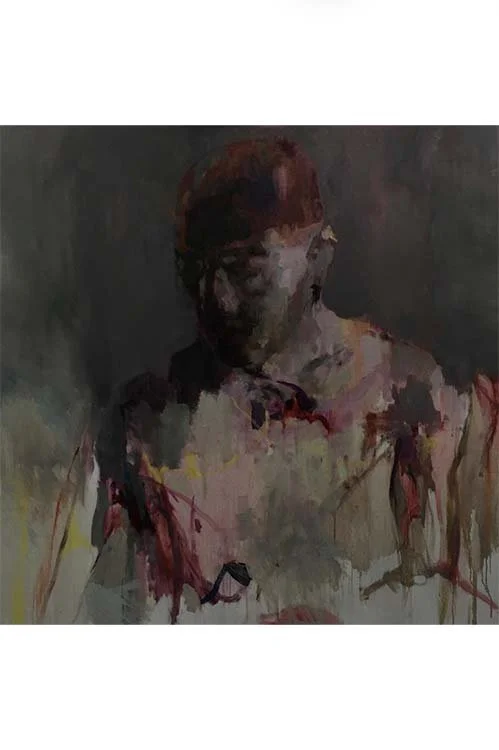 Image 1 of 9
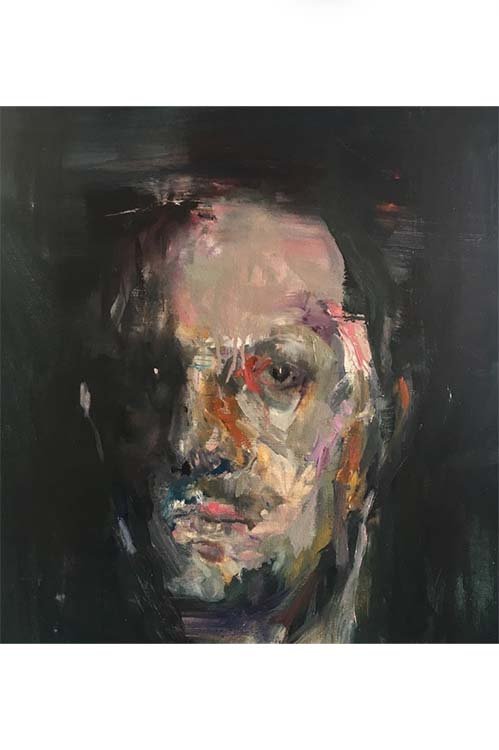 Image 2 of 9
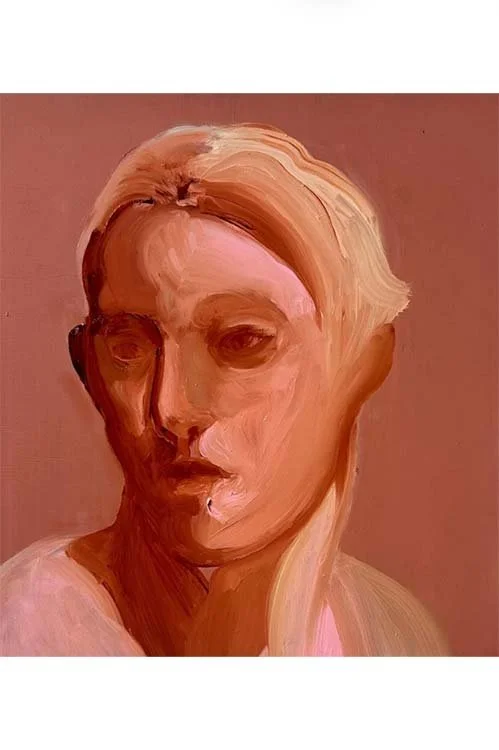 Image 3 of 9
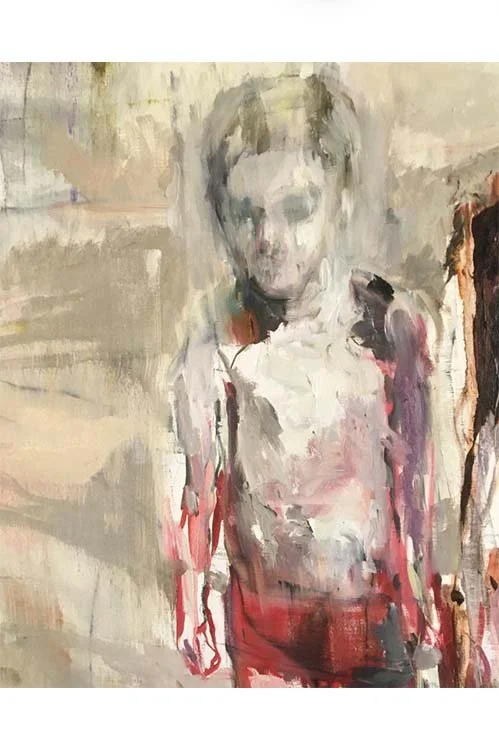 Image 4 of 9
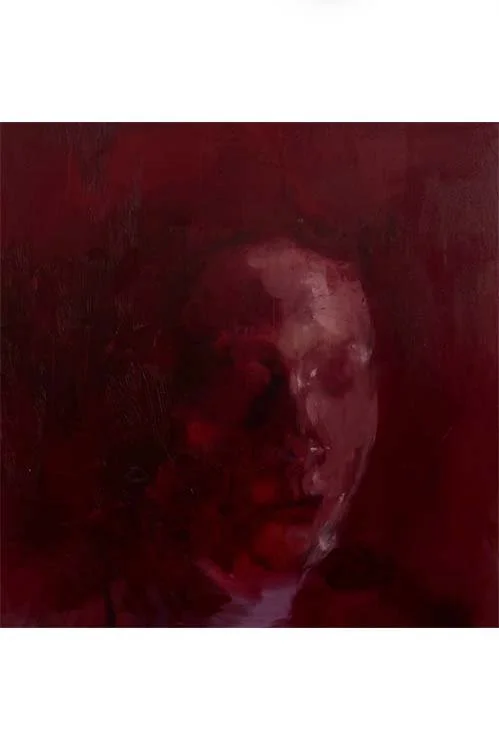 Image 5 of 9
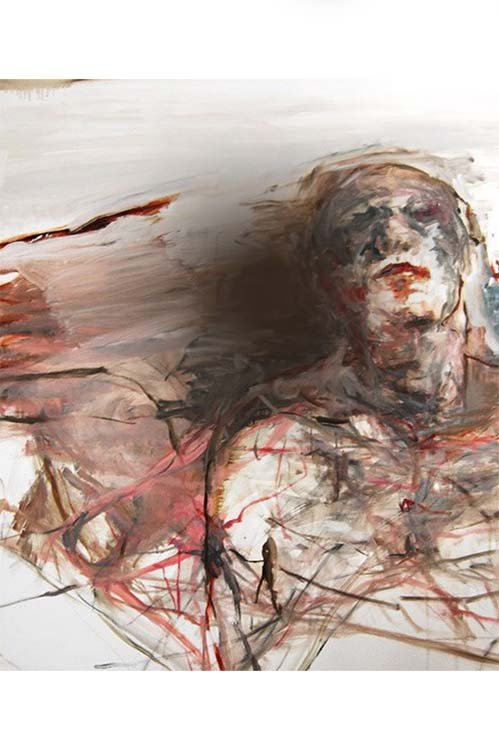 Image 6 of 9
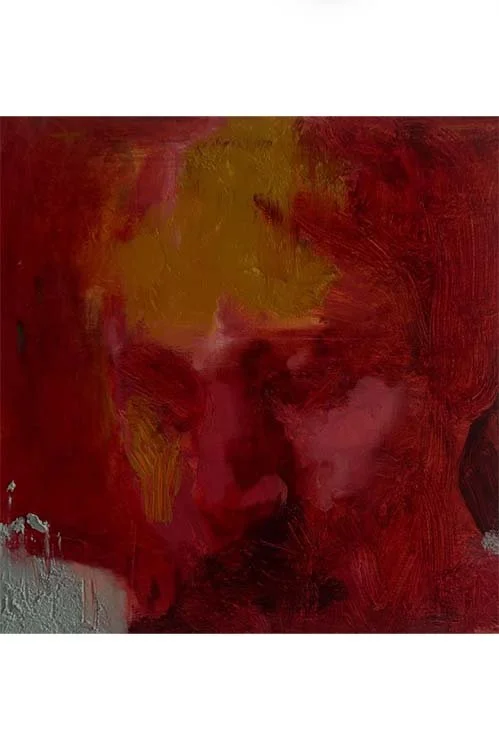 Image 7 of 9
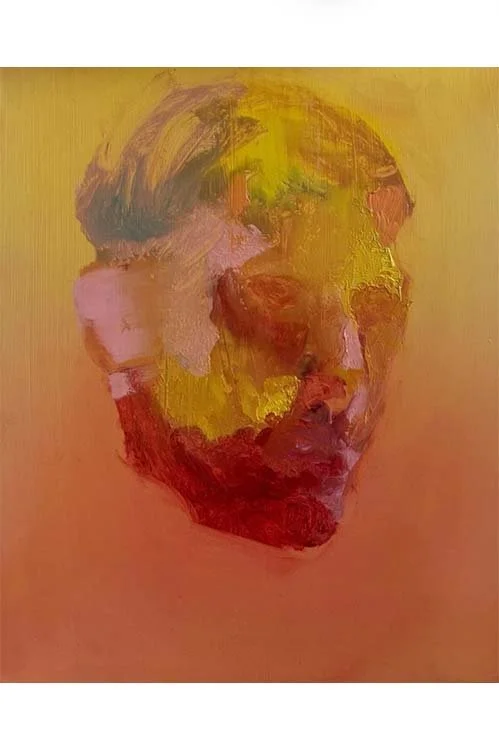 Image 8 of 9
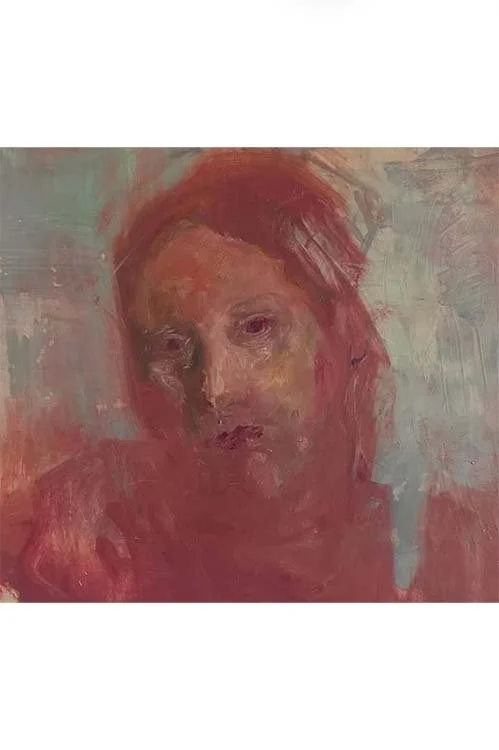 Image 9 of 9