May 27 to June 10 (Wednesdays), 1:00 PM to 4:00 PM Eastern Time
**All sessions are live and will be recorded, students do not have to be present. All recordings will be available to students for 3 months after the final session, after 3 months the recording will be deleted.
Please check your email spam/junk folder for your Zoom invite. Our business hours are 10:00 AM through 5:00 PM. All course information and email correspondence will be sent during business hours. If students purchase a course, workshop, demo or recording outside business hours or during the weekend the course information or recording will be sent the following business day.
Workshop Description
Finished paintings don’t happen by accident - they are built through a series of deliberate decisions. This workshop breaks down the complete painting process, revealing how professional painters move from a vague idea to a resolved, confident final work.
Over the course of three days participants will work through the full A to Z process: idea development, thumbnail sketches, color studies, compositional planning and final execution. The focus is on understanding why each step matters and how they connect to one another
Students will learn how to problem solve early, make stronger decisions before touching the canvas and maintain clarity throughout the painting process. The goal is to leave with a repeatable framework that can be applied to any subject or style
Workshop Outline
Day 1 – Ideas, Structure, and Design
Understanding how paintings begin
Clarifying intention and visual goals
Thumbnail sketches for composition and movement
Simplifying complexity
Demos and group discussion
Outcome: A clear plan for the final painting, grounded in strong design.
Day 2 – Color, Planning, and Beginning the Painting
Color studies and palette development
Translating studies to canvas
Blocking in efficiently
Establishing hierarchy, focal points, and unity
Instructor demos and individual guidance
Outcome: A solid, readable painting structure in place.
Day 3 – Development, Problem-Solving, and Finishing
Reading the painting objectively
Making adjustments without overworking
Refining edges, accents, and transitions
Knowing when to stop
Group critique and process review
Outcome: A finished painting and a clear understanding of how it was built.
Workshop Materials
Either oil or acrylics are fine but if you are already working in acrylic, I would recommend acrylic because that’s what I’ll be working with.
I use a limited palette,
Cad yellow light,
Pyrole red lt.
Permanent Maroon
phthalo blue (red Shade)
(As a guide I would say 1 yellow, 1 warm and 1 cool red, 1 blue and titanium white.)
Small panels, nothing smaller than 6” x 6” and nothing larger than 11” x 14” or 12” x 12”.
Brushes,
Easel,
Palette knife,
Paper towels,
Mineral spirits for oil or water for water media If using acrylic, I recommend a wet box palette.
Sketch book, micron or ink pen and a brush pen if available.
5 or 6 photo references
May 27 to June 10 (Wednesdays), 1:00 PM to 4:00 PM Eastern Time
**All sessions are live and will be recorded, students do not have to be present. All recordings will be available to students for 3 months after the final session, after 3 months the recording will be deleted.
Please check your email spam/junk folder for your Zoom invite. Our business hours are 10:00 AM through 5:00 PM. All course information and email correspondence will be sent during business hours. If students purchase a course, workshop, demo or recording outside business hours or during the weekend the course information or recording will be sent the following business day.
Workshop Description
Finished paintings don’t happen by accident - they are built through a series of deliberate decisions. This workshop breaks down the complete painting process, revealing how professional painters move from a vague idea to a resolved, confident final work.
Over the course of three days participants will work through the full A to Z process: idea development, thumbnail sketches, color studies, compositional planning and final execution. The focus is on understanding why each step matters and how they connect to one another
Students will learn how to problem solve early, make stronger decisions before touching the canvas and maintain clarity throughout the painting process. The goal is to leave with a repeatable framework that can be applied to any subject or style
Workshop Outline
Day 1 – Ideas, Structure, and Design
Understanding how paintings begin
Clarifying intention and visual goals
Thumbnail sketches for composition and movement
Simplifying complexity
Demos and group discussion
Outcome: A clear plan for the final painting, grounded in strong design.
Day 2 – Color, Planning, and Beginning the Painting
Color studies and palette development
Translating studies to canvas
Blocking in efficiently
Establishing hierarchy, focal points, and unity
Instructor demos and individual guidance
Outcome: A solid, readable painting structure in place.
Day 3 – Development, Problem-Solving, and Finishing
Reading the painting objectively
Making adjustments without overworking
Refining edges, accents, and transitions
Knowing when to stop
Group critique and process review
Outcome: A finished painting and a clear understanding of how it was built.
Workshop Materials
Either oil or acrylics are fine but if you are already working in acrylic, I would recommend acrylic because that’s what I’ll be working with.
I use a limited palette,
Cad yellow light,
Pyrole red lt.
Permanent Maroon
phthalo blue (red Shade)
(As a guide I would say 1 yellow, 1 warm and 1 cool red, 1 blue and titanium white.)
Small panels, nothing smaller than 6” x 6” and nothing larger than 11” x 14” or 12” x 12”.
Brushes,
Easel,
Palette knife,
Paper towels,
Mineral spirits for oil or water for water media If using acrylic, I recommend a wet box palette.
Sketch book, micron or ink pen and a brush pen if available.
5 or 6 photo references

 Image 1 of 9
 Image 2 of 9
 Image 3 of 9
 Image 4 of 9
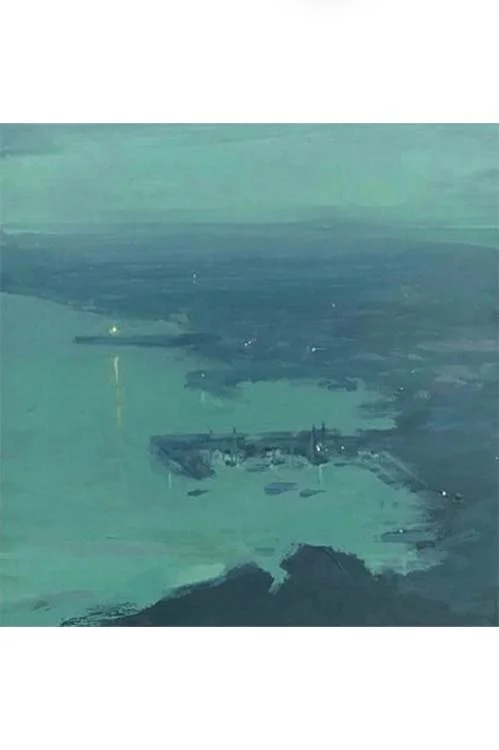 Image 5 of 9
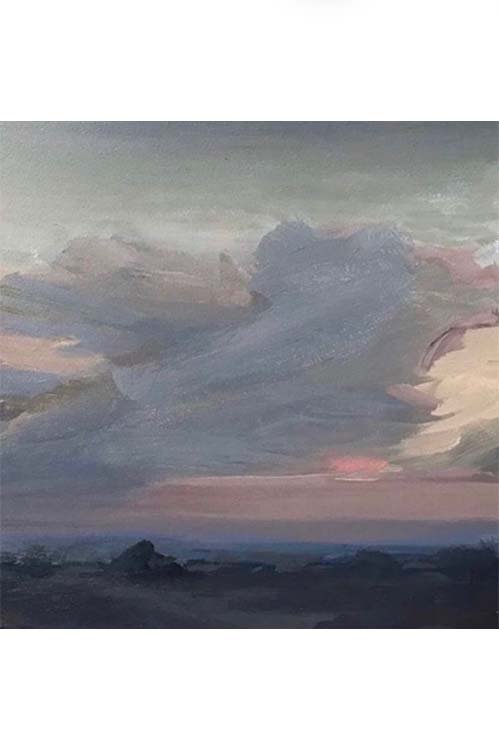 Image 6 of 9
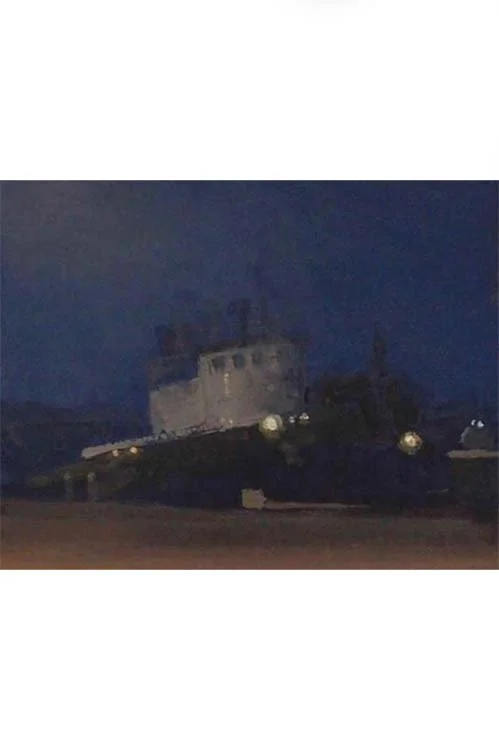 Image 7 of 9
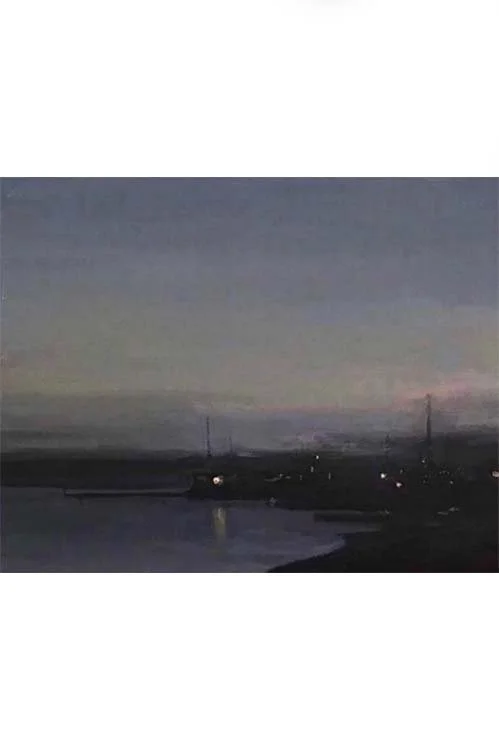 Image 8 of 9
 Image 9 of 9