
 Image 1 of 2
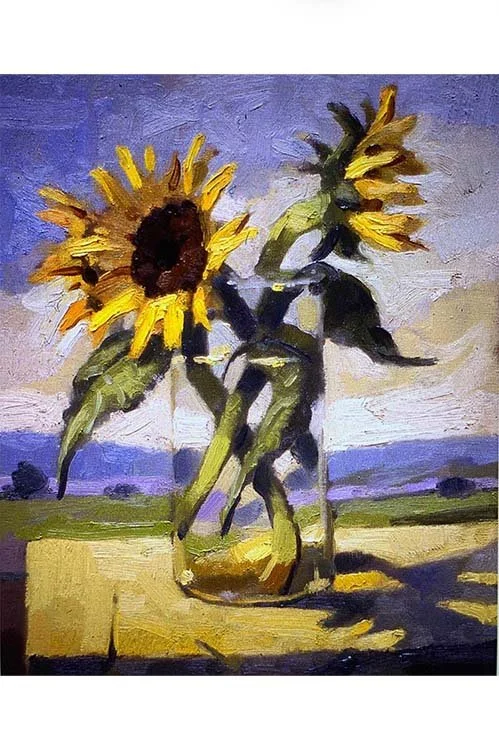 Image 2 of 2
*All sessions are live and will be recorded, students do not have to be present. All recordings will be available to students for 3 months after the final session, after 3 months the recording will be deleted.
Please check your email spam/junk folder for your Zoom invite. Our business hours are 10:00 AM through 5:00 PM. All course information and email correspondence will be sent during business hours. If students purchase a course, workshop, demo or recording outside business hours or during the weekend the course information or recording will be sent the following business day.
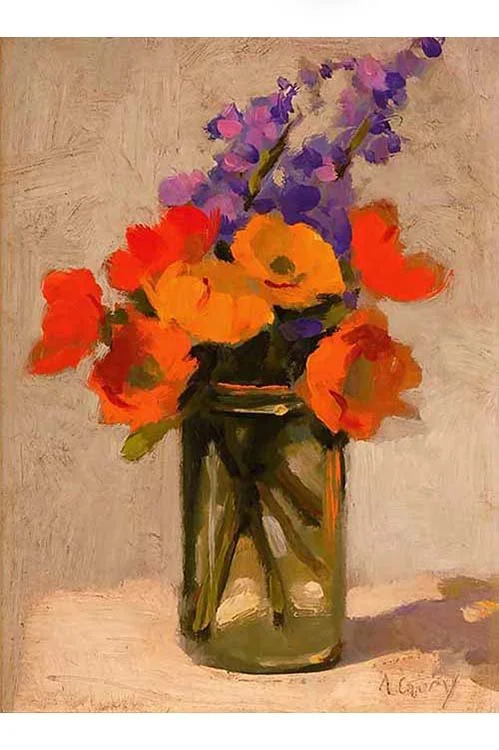
This hands on and visually rich and informative course will focus on improving your skills in painting in general and in the subject of Still life in particular.
Weekly topics will include the materials of painting still life, color mixing and composing with color, value and light and shade, brushwork and composition. The history of still life painting will be presented as well as numerous historical and modern examples of the subject. Weekly video demonstration by the instructor will present methods and the processes of Alla Prima Still Life Painting. In addition, hands-on weekly painting projects will be assigned and critiqued by the instructor on Padlet. Open to all media: oil, acrylic, watercolor and pastel, all levels of student experience are welcome.
*Projects can be done from life , master copies of photos.
Week 1:
Introduction, materials and palettes, Q&A, visual history of still life painting, video demo, the limited palette.
Project 1 - A small still life using a limited palette with a focus on value and form.
Week 2:
Q&A, Visual history of composition in still life, the full palette, compositional strategies, video demo.
Project 2 - Asymmetrical or asymmetrical still life using the full palette.
Week 3:
Q&A, varieties of color design in still life, visual examples, video demo.
Project 4 - A complex still life using design, value and color.
Week 5:
Q&A, discussion, expression and modern approaches to still life, visual examples, video demos.
Project 5 - A still life exhibiting expression, mood and variety in color and composition.
We will discuss all materials in the first class meeting.
Basic classic palette for oil, acrylic or watercolor and pastel.
Yellow Ochre
Raw Umber
Burnt Sienna
Ivory Black
Cadmium Yellow Light
Cadmium Red Medium
Permanent Rose
Ultramarine Blue
Chromium Oxide Green
Dioxazine Purple
Titanium White
Additional optional colors:
Burnt Umber
Mars Violet
Green Earth
Cadmium Orange
Phthalo Blue
Cadmium Green
Cerulean Blue
Zinc white
Lead white
Surfaces:
Gessoed painting surfaces, 8X10-20X16, watercolor and pastel pads of choice.
Basic color surfaces are white, gray, tan. These can be opaque or transparent imprimaturas.
Containers for oil and thinners or water (Preferably metal or heavy plastic. Not glass because they break)
Palette for mixing colors (Disposable, wood, metal, etc.)
Linseed oil for oil paints
Brushes for oil, watercolor or acrylic. (3-4 well shaped and flexible bristle brushes)
Paper towels
View finder for compositional choices
Sketchbook for thumbnail sketches.
Pastel or watercolor paper if needed
*All sessions are live and will be recorded, students do not have to be present. All recordings will be available to students for 3 months after the final session, after 3 months the recording will be deleted.
Please check your email spam/junk folder for your Zoom invite. Our business hours are 10:00 AM through 5:00 PM. All course information and email correspondence will be sent during business hours. If students purchase a course, workshop, demo or recording outside business hours or during the weekend the course information or recording will be sent the following business day.
This hands on and visually rich and informative course will focus on improving your skills in painting in general and in the subject of Still life in particular.
Weekly topics will include the materials of painting still life, color mixing and composing with color, value and light and shade, brushwork and composition. The history of still life painting will be presented as well as numerous historical and modern examples of the subject. Weekly video demonstration by the instructor will present methods and the processes of Alla Prima Still Life Painting. In addition, hands-on weekly painting projects will be assigned and critiqued by the instructor on Padlet. Open to all media: oil, acrylic, watercolor and pastel, all levels of student experience are welcome.
*Projects can be done from life , master copies of photos.
Week 1:
Introduction, materials and palettes, Q&A, visual history of still life painting, video demo, the limited palette.
Project 1 - A small still life using a limited palette with a focus on value and form.
Week 2:
Q&A, Visual history of composition in still life, the full palette, compositional strategies, video demo.
Project 2 - Asymmetrical or asymmetrical still life using the full palette.
Week 3:
Q&A, varieties of color design in still life, visual examples, video demo.
Project 4 - A complex still life using design, value and color.
Week 5:
Q&A, discussion, expression and modern approaches to still life, visual examples, video demos.
Project 5 - A still life exhibiting expression, mood and variety in color and composition.
We will discuss all materials in the first class meeting.
Basic classic palette for oil, acrylic or watercolor and pastel.
Yellow Ochre
Raw Umber
Burnt Sienna
Ivory Black
Cadmium Yellow Light
Cadmium Red Medium
Permanent Rose
Ultramarine Blue
Chromium Oxide Green
Dioxazine Purple
Titanium White
Additional optional colors:
Burnt Umber
Mars Violet
Green Earth
Cadmium Orange
Phthalo Blue
Cadmium Green
Cerulean Blue
Zinc white
Lead white
Surfaces:
Gessoed painting surfaces, 8X10-20X16, watercolor and pastel pads of choice.
Basic color surfaces are white, gray, tan. These can be opaque or transparent imprimaturas.
Containers for oil and thinners or water (Preferably metal or heavy plastic. Not glass because they break)
Palette for mixing colors (Disposable, wood, metal, etc.)
Linseed oil for oil paints
Brushes for oil, watercolor or acrylic. (3-4 well shaped and flexible bristle brushes)
Paper towels
View finder for compositional choices
Sketchbook for thumbnail sketches.
Pastel or watercolor paper if needed