July 2 to July 30 (Thursdays), 1:00 PM to 3:30 PM, Eastern Time
**All sessions are live and will be recorded, students do not have to be present. All recordings will be available to students for 3 months after the final session, after 3 months the recording will be deleted.
Please check your email spam/junk folder for your Zoom invite. Our business hours are 10:00 AM through 5:00 PM. All course information and email correspondence will be sent during business hours. If students purchase a course, workshop, demo or recording outside business hours or during the weekend the course information or recording will be sent the following business day.
Course Description
In this course, we will explore various ideas and methods of leading Abstract Expressionist painters Joan Mitchell, Robert Motherwell and others. Topics will include automatism, abstract expressionism, abstract impressionism, collaborative arts (painting and poetry), feeling, iconography, and memory. Learning from these masters and their masterworks, we will put their ideas into practice to create our own compelling abstractions.
Course Outline
Week 1:
Welcome & introductions.
Presentation of Abstract Expressionism, Robert Motherwell, and his “Elegy” series. Illuminate a poem with ink through a series of automatic drawings. Then, using that same poem, create a series of black and white collages that respond to it. Consider drawings and collages and create further studies from them.
Week 2:
Review of previous week’s work.
Presentation of Joan Mitchell, herrelationship to Claude Monet, and her paintings with a particular focus on her Grande Vallee series. Color mixing demo. Recount a compelling story of your own or one told to you and consider ways to develop an image based on that story. What are the essential elements? What colors and marks can be used to evoke the story without literally referencing it? Make studies.
Week 3:
Review of previous week’s work.
Presentation of Abstract Impressionism, its historical roots in Impressionism and Abstract Expressionism, and the paintings and writings of Louis Finkelstein. Using a reference photo, paint a picture of a landscape that is true to the actual color scheme present in the photo. Then paint it again using a complementary color scheme. Finally, create a third painting that combines the color schemes of the first two studies, focusing on Impressionist brushwork and value structure to liberate color.
Week 4:
Review of previous week’s work.
Presentation of Sam Francis, Robert Motherwell and Joan Mitchell regarding their use of space and editing. Review of Mitchell’s painting “Hemlock” in relation to Wallace Stevens’ poem “Domination of Black” and her use of white as an editing tool. Create an all-over abstraction and then heavily edit the painting such that only a whisper of the original image remains. How does openness / space contribute to the power of the image, if, in fact, it does?
Week 5:
Review of previous week’s work and review of ideas and methods considered thus far. In this final class, we will address the question, “Where do we go from here?”
Presentation on the importance of seriality in the work of the artists we studied. Mixed-media demonstration regarding the various techniques we explored. Create studies combining the best of our previous efforts.
Course Materials
Notebook, pencils and pens for notes and short writing assignments
Black and white paper (8.5”x11” stock), scissors, ruler, and glue-stick for collages
Mixed-media sketchbook, 9”x12” or 11”x14”
Ink and brushes for automatic drawings
Acrylic paint - basic set of colors (both opaque and transparent) plus black and white
(Note: For paints, I like to have a warm and a cool available of each color, for example, yellow ochre and cadmium yellow light, allizarin crimson and cad red light, cerulean blue and ultramarine blue.)
Assortment of brushes, scraping tools, paper towels, rags
Various substrates for homework assignments - canvases, paper (whatever you prefer to work on and can easily photograph). You can purchase a large pack of 16”x20” canvases from Michaels at a relatively inexpensive price.
July 2 to July 30 (Thursdays), 1:00 PM to 3:30 PM, Eastern Time
**All sessions are live and will be recorded, students do not have to be present. All recordings will be available to students for 3 months after the final session, after 3 months the recording will be deleted.
Please check your email spam/junk folder for your Zoom invite. Our business hours are 10:00 AM through 5:00 PM. All course information and email correspondence will be sent during business hours. If students purchase a course, workshop, demo or recording outside business hours or during the weekend the course information or recording will be sent the following business day.
Course Description
In this course, we will explore various ideas and methods of leading Abstract Expressionist painters Joan Mitchell, Robert Motherwell and others. Topics will include automatism, abstract expressionism, abstract impressionism, collaborative arts (painting and poetry), feeling, iconography, and memory. Learning from these masters and their masterworks, we will put their ideas into practice to create our own compelling abstractions.
Course Outline
Week 1:
Welcome & introductions.
Presentation of Abstract Expressionism, Robert Motherwell, and his “Elegy” series. Illuminate a poem with ink through a series of automatic drawings. Then, using that same poem, create a series of black and white collages that respond to it. Consider drawings and collages and create further studies from them.
Week 2:
Review of previous week’s work.
Presentation of Joan Mitchell, herrelationship to Claude Monet, and her paintings with a particular focus on her Grande Vallee series. Color mixing demo. Recount a compelling story of your own or one told to you and consider ways to develop an image based on that story. What are the essential elements? What colors and marks can be used to evoke the story without literally referencing it? Make studies.
Week 3:
Review of previous week’s work.
Presentation of Abstract Impressionism, its historical roots in Impressionism and Abstract Expressionism, and the paintings and writings of Louis Finkelstein. Using a reference photo, paint a picture of a landscape that is true to the actual color scheme present in the photo. Then paint it again using a complementary color scheme. Finally, create a third painting that combines the color schemes of the first two studies, focusing on Impressionist brushwork and value structure to liberate color.
Week 4:
Review of previous week’s work.
Presentation of Sam Francis, Robert Motherwell and Joan Mitchell regarding their use of space and editing. Review of Mitchell’s painting “Hemlock” in relation to Wallace Stevens’ poem “Domination of Black” and her use of white as an editing tool. Create an all-over abstraction and then heavily edit the painting such that only a whisper of the original image remains. How does openness / space contribute to the power of the image, if, in fact, it does?
Week 5:
Review of previous week’s work and review of ideas and methods considered thus far. In this final class, we will address the question, “Where do we go from here?”
Presentation on the importance of seriality in the work of the artists we studied. Mixed-media demonstration regarding the various techniques we explored. Create studies combining the best of our previous efforts.
Course Materials
Notebook, pencils and pens for notes and short writing assignments
Black and white paper (8.5”x11” stock), scissors, ruler, and glue-stick for collages
Mixed-media sketchbook, 9”x12” or 11”x14”
Ink and brushes for automatic drawings
Acrylic paint - basic set of colors (both opaque and transparent) plus black and white
(Note: For paints, I like to have a warm and a cool available of each color, for example, yellow ochre and cadmium yellow light, allizarin crimson and cad red light, cerulean blue and ultramarine blue.)
Assortment of brushes, scraping tools, paper towels, rags
Various substrates for homework assignments - canvases, paper (whatever you prefer to work on and can easily photograph). You can purchase a large pack of 16”x20” canvases from Michaels at a relatively inexpensive price.

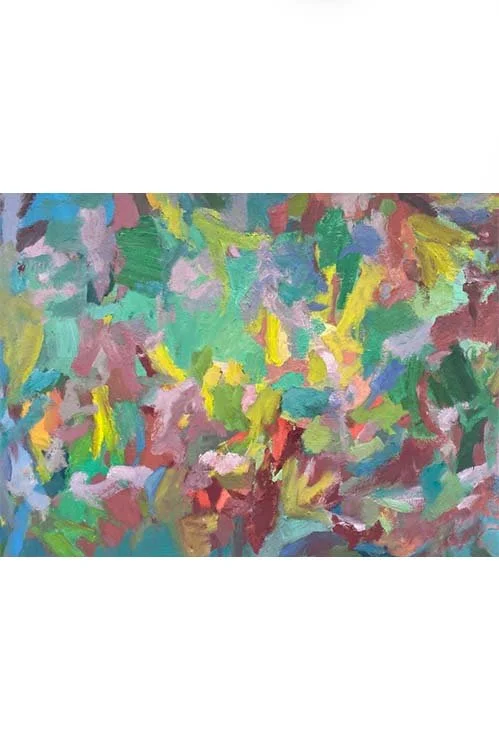 Image 1 of 12
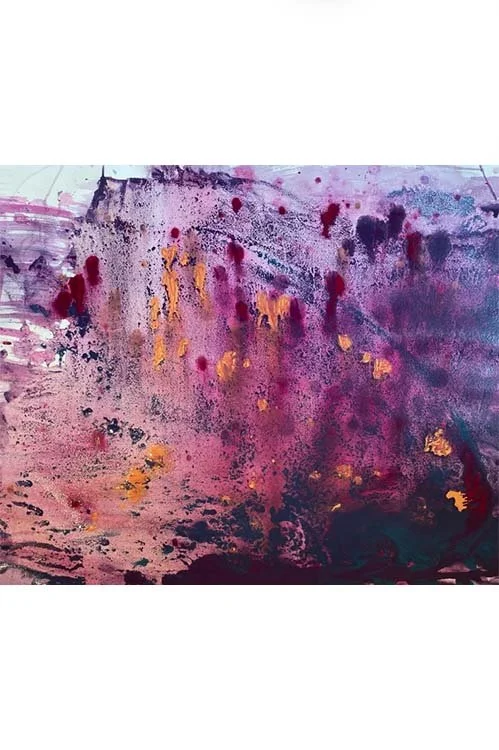 Image 2 of 12
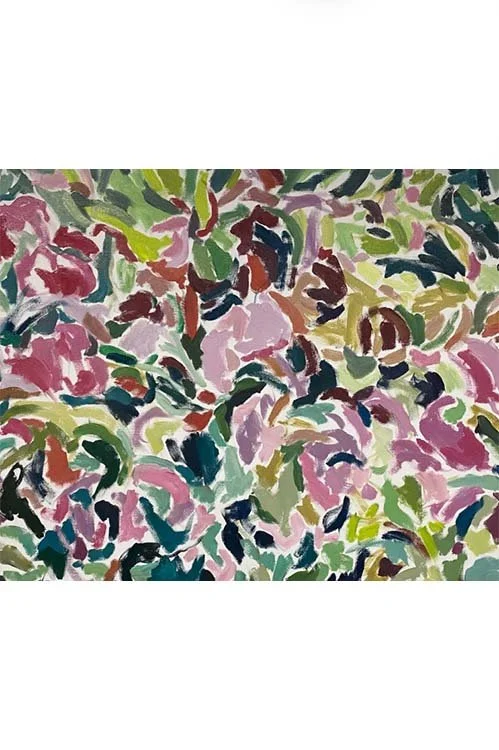 Image 3 of 12
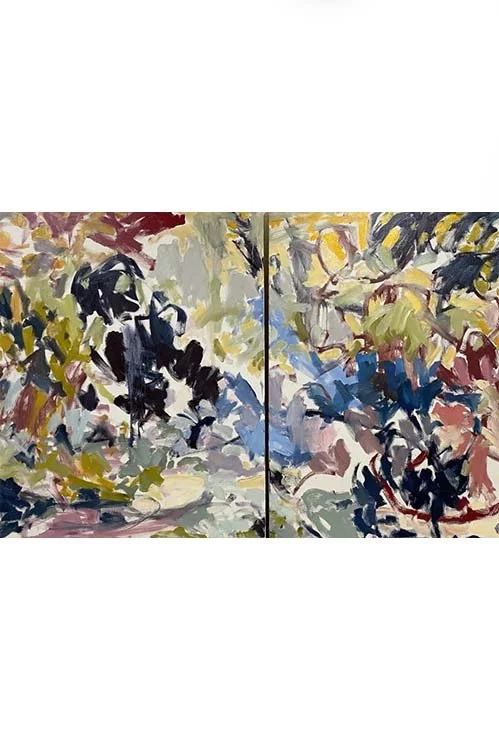 Image 4 of 12
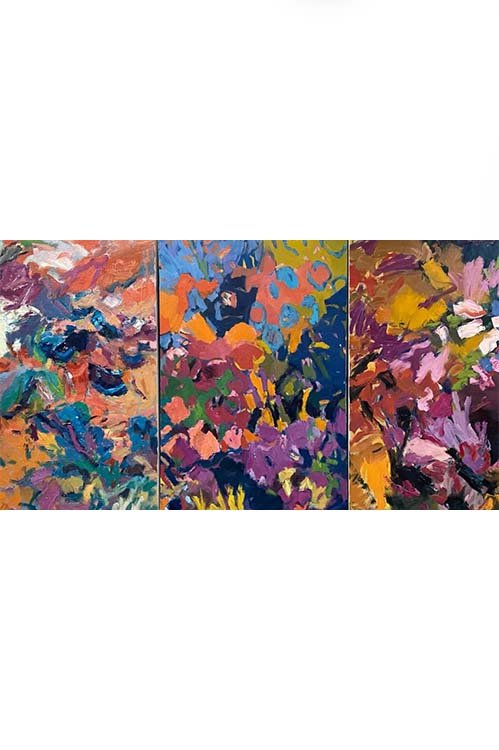 Image 5 of 12
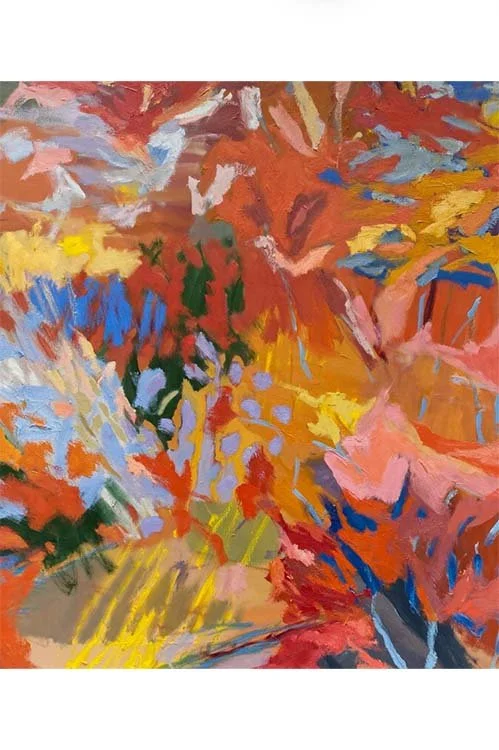 Image 6 of 12
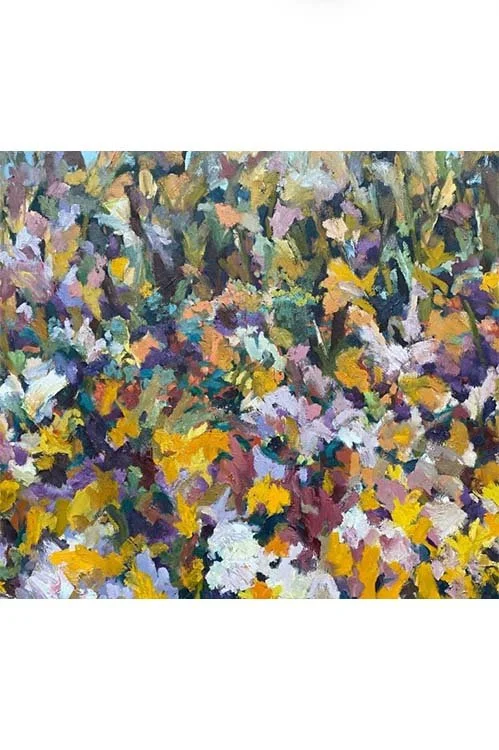 Image 7 of 12
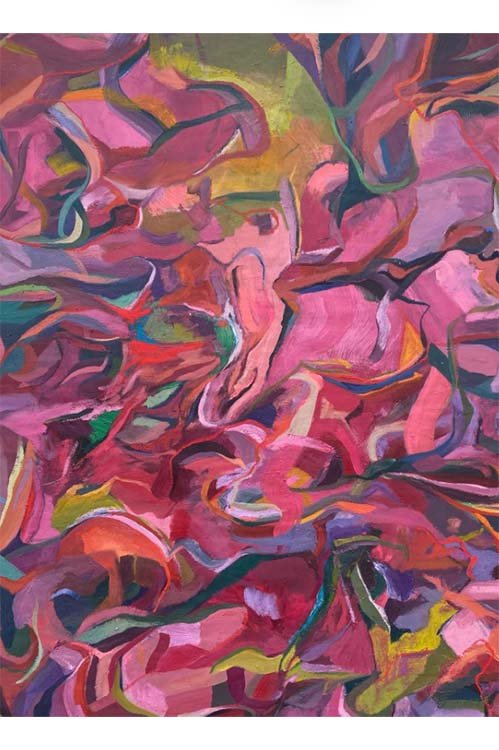 Image 8 of 12
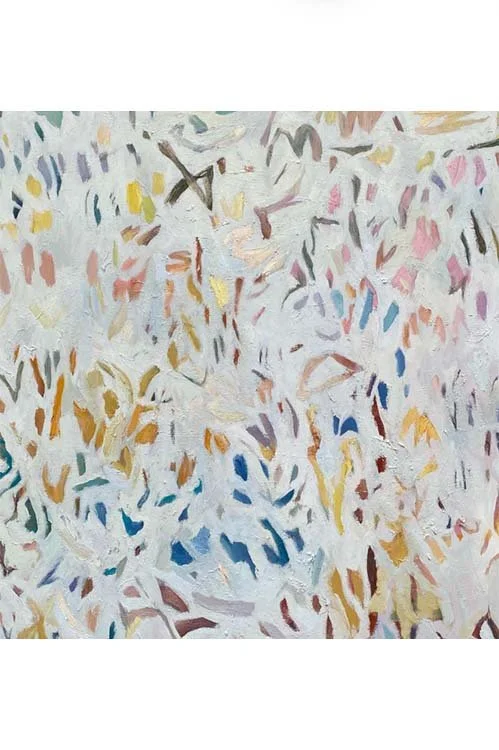 Image 9 of 12
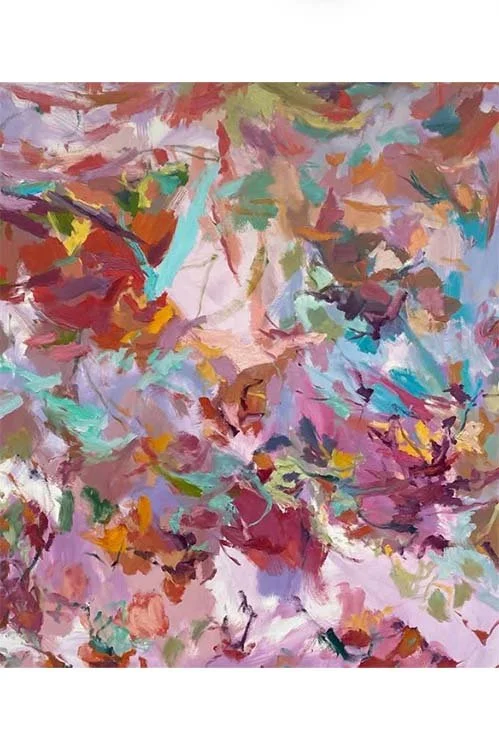 Image 10 of 12
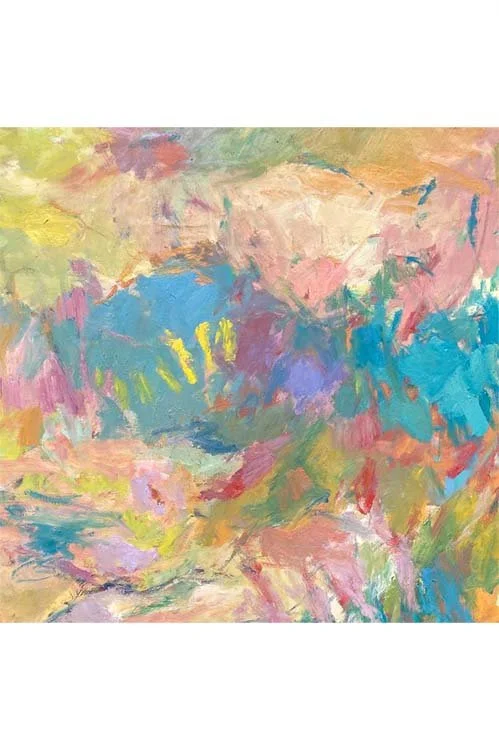 Image 11 of 12
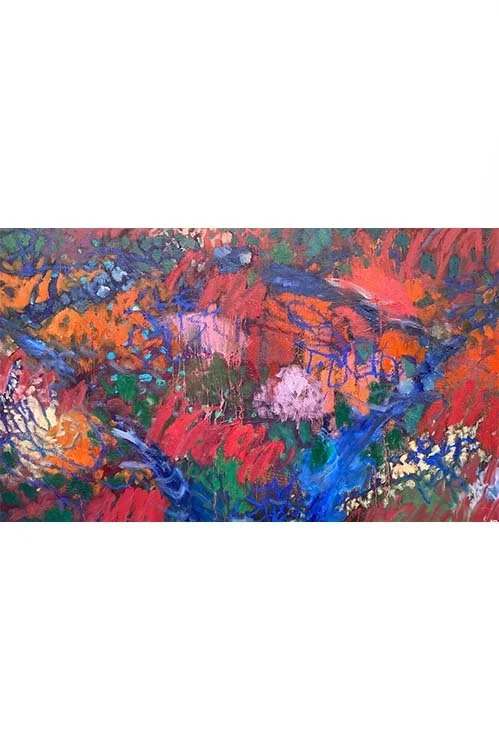 Image 12 of 12