August 3 to August 17 (Mondays), 10:00 AM to 1:00 PM, Eastern Time
**All sessions are live and will be recorded, students do not have to be present. All recordings will be available to students for 3 months after the final session, after 3 months the recording will be deleted.
Please check your email spam/junk folder for your Zoom invite. Our business hours are 10:00 AM through 5:00 PM. All course information and email correspondence will be sent during business hours. If students purchase a course, workshop, demo or recording outside business hours or during the weekend the course information or recording will be sent the following business day.
Workshop Description
During this three session painting workshop we will explore the techniques and processes of Plein Air painting. This workshop will guide students on how to see their particular subject.
Editing, simplifying, value control, edge variations are ideas we will cover. We will also explore the dynamics of natural light and how to use it as a design element.
Workshop Outline
Week 1
We will start with simple still life exercises using artificial light to find the similarities how light works with still life forms vs forms in nature.
Week 2 -
We will start by doing thumbnail sketches of subjects with natural light to provide ideas for the painting. I will do a Plein Air painting demo from my home along with the thumbnail sketches.
Week 3 -
During this session we will make revisions in the studio. Scraping back and reworking the painting. Doing this will enable the artist to recognize the abstract make up of the painting.
Workshop Materials
Colors: The colors I like to use at this time include: titanium white, flake white (I use both because titanium is opaque and flake white is semi transparent), hansa yellow light, yellow ochre, Indian yellow, napthol red, alinzarin crimson, quinacridone magenta (sometimes), transparent red oxide, ultramarine blue, pthalo blue (sometimes), radiant violet made by Gamblin and kings blue by Williamsburg (I use these to lighten mixtures.
2. Brushes: The bigger, the better. I like to use mostly the long flats, and some filberts. I feel that the larger ones such as #14, #12 and 10 are necessary and then I’ll use some of these smaller ones such as #8’s, 6, 4, and 2. But it’s whatever your comfortable with.
3. I’ll use and assortment of palette knives. I like 2” or 3” for mixing paint and the diamond shaped ones for applying paint with. Also I'll use a spackle knife, and sometimes an old credit card to manipulate the paint.
4. Painting mediums: it’s also personal preference. I use gamsol to clean off my brushes. For a painting medium, I mainly use 1 part stand oil, 1 part damar varnish to 5 parts of gamsol. That is a variation of a traditional medium.
5. Painting surface: I like to paint on linen panels or gessoed wood panels. Again, personal preference. And any size is welcome, as long if you feel comfortable completing or blocking in the whole painting surface in one sitting.
August 3 to August 17 (Mondays), 10:00 AM to 1:00 PM, Eastern Time
**All sessions are live and will be recorded, students do not have to be present. All recordings will be available to students for 3 months after the final session, after 3 months the recording will be deleted.
Please check your email spam/junk folder for your Zoom invite. Our business hours are 10:00 AM through 5:00 PM. All course information and email correspondence will be sent during business hours. If students purchase a course, workshop, demo or recording outside business hours or during the weekend the course information or recording will be sent the following business day.
Workshop Description
During this three session painting workshop we will explore the techniques and processes of Plein Air painting. This workshop will guide students on how to see their particular subject.
Editing, simplifying, value control, edge variations are ideas we will cover. We will also explore the dynamics of natural light and how to use it as a design element.
Workshop Outline
Week 1
We will start with simple still life exercises using artificial light to find the similarities how light works with still life forms vs forms in nature.
Week 2 -
We will start by doing thumbnail sketches of subjects with natural light to provide ideas for the painting. I will do a Plein Air painting demo from my home along with the thumbnail sketches.
Week 3 -
During this session we will make revisions in the studio. Scraping back and reworking the painting. Doing this will enable the artist to recognize the abstract make up of the painting.
Workshop Materials
Colors: The colors I like to use at this time include: titanium white, flake white (I use both because titanium is opaque and flake white is semi transparent), hansa yellow light, yellow ochre, Indian yellow, napthol red, alinzarin crimson, quinacridone magenta (sometimes), transparent red oxide, ultramarine blue, pthalo blue (sometimes), radiant violet made by Gamblin and kings blue by Williamsburg (I use these to lighten mixtures.
2. Brushes: The bigger, the better. I like to use mostly the long flats, and some filberts. I feel that the larger ones such as #14, #12 and 10 are necessary and then I’ll use some of these smaller ones such as #8’s, 6, 4, and 2. But it’s whatever your comfortable with.
3. I’ll use and assortment of palette knives. I like 2” or 3” for mixing paint and the diamond shaped ones for applying paint with. Also I'll use a spackle knife, and sometimes an old credit card to manipulate the paint.
4. Painting mediums: it’s also personal preference. I use gamsol to clean off my brushes. For a painting medium, I mainly use 1 part stand oil, 1 part damar varnish to 5 parts of gamsol. That is a variation of a traditional medium.
5. Painting surface: I like to paint on linen panels or gessoed wood panels. Again, personal preference. And any size is welcome, as long if you feel comfortable completing or blocking in the whole painting surface in one sitting.

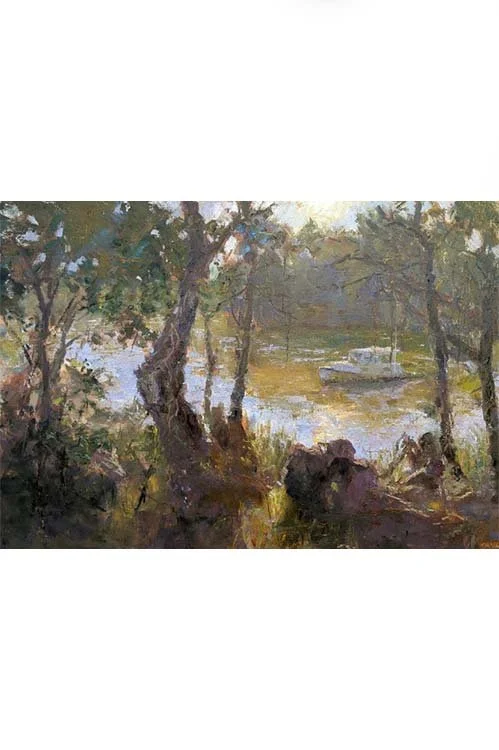 Image 1 of 11
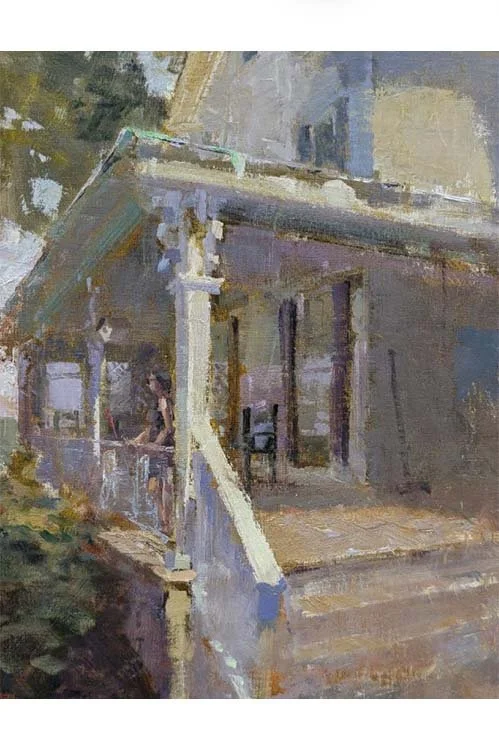 Image 2 of 11
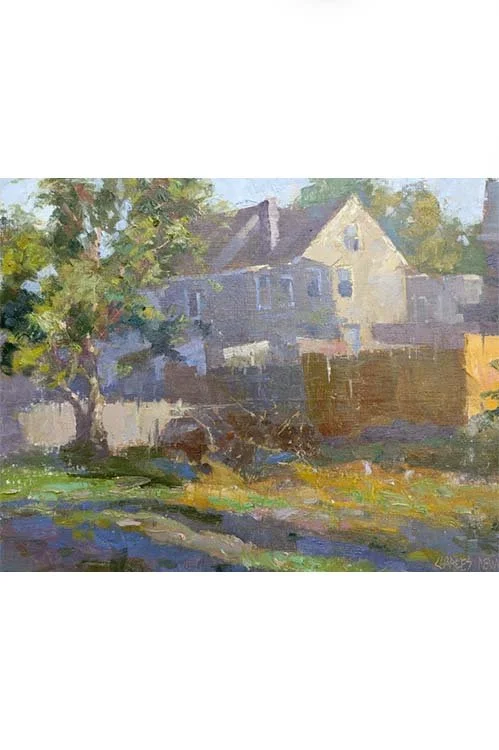 Image 3 of 11
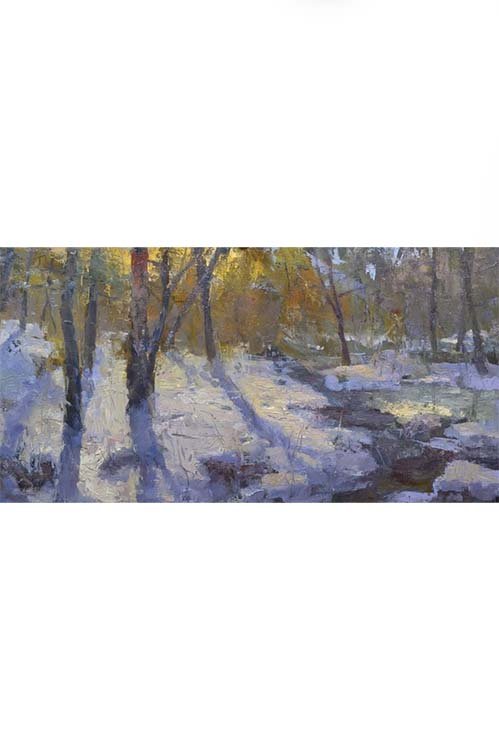 Image 4 of 11
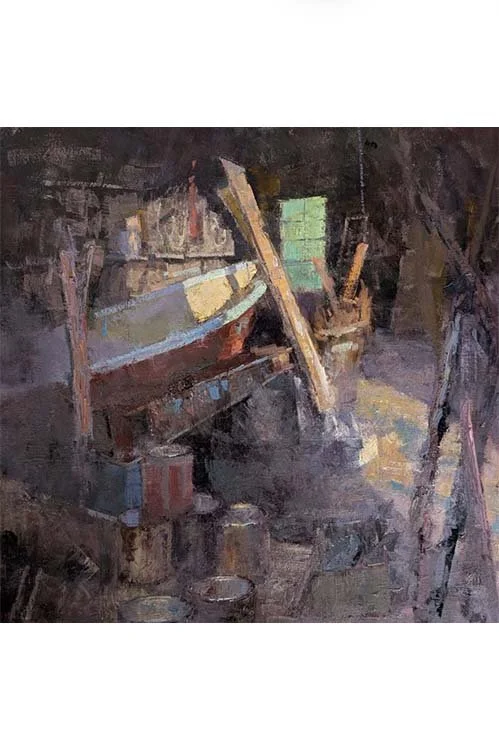 Image 5 of 11
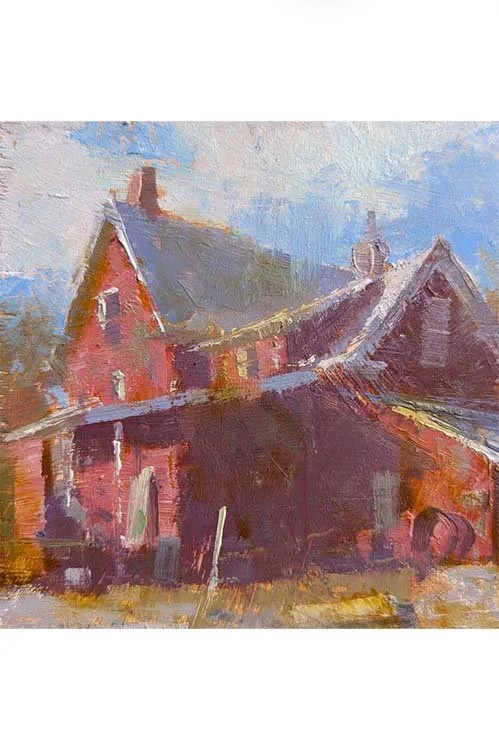 Image 6 of 11
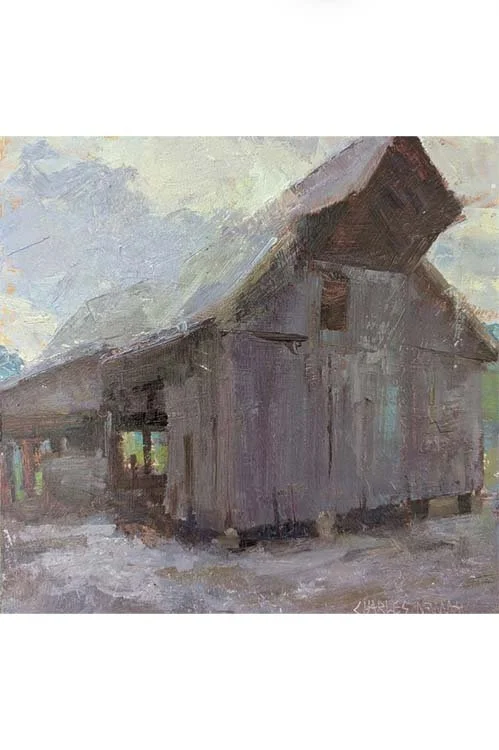 Image 7 of 11
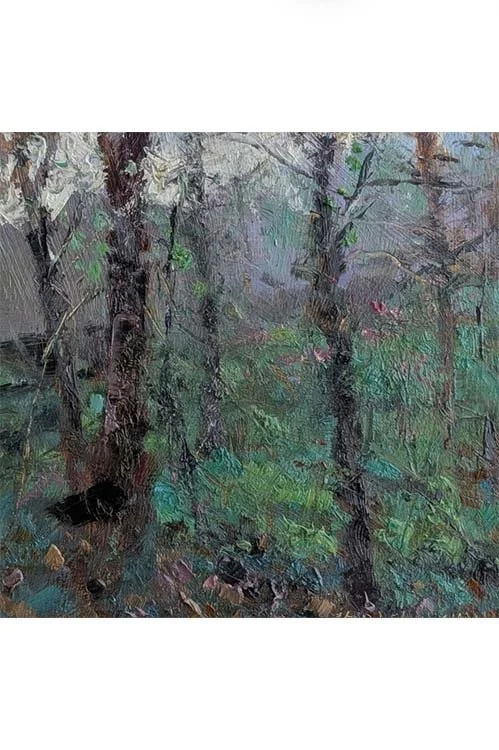 Image 8 of 11
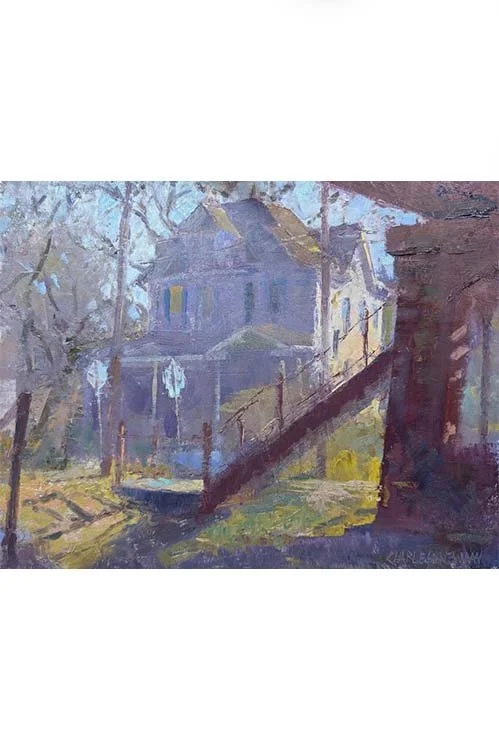 Image 9 of 11
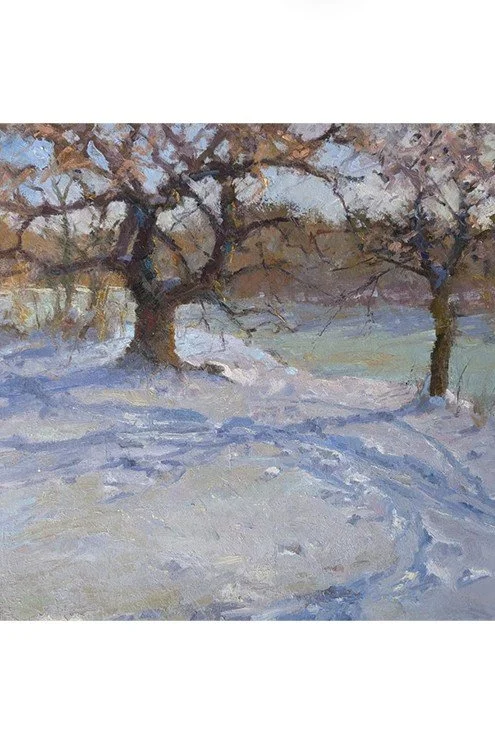 Image 10 of 11
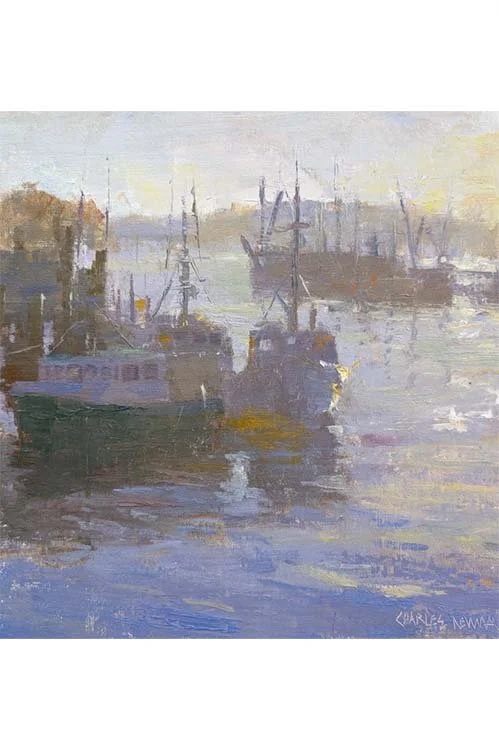 Image 11 of 11