
 Image 1 of 5
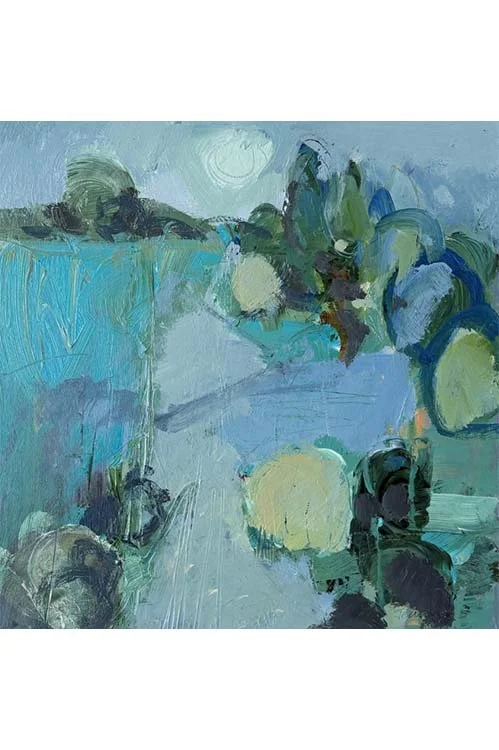 Image 2 of 5
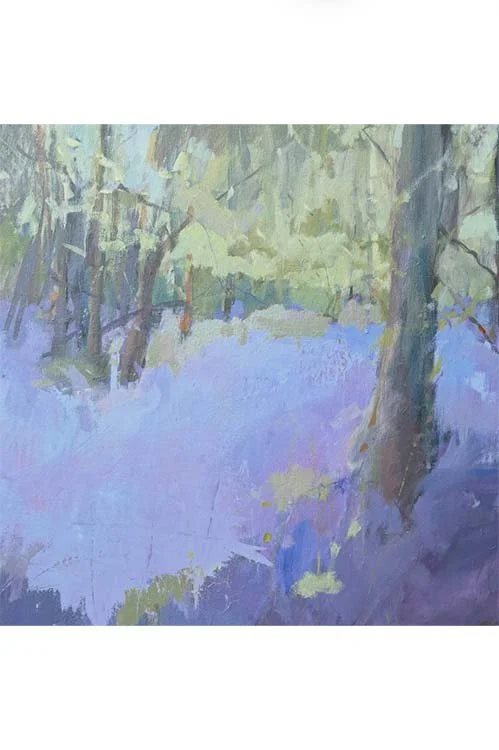 Image 3 of 5
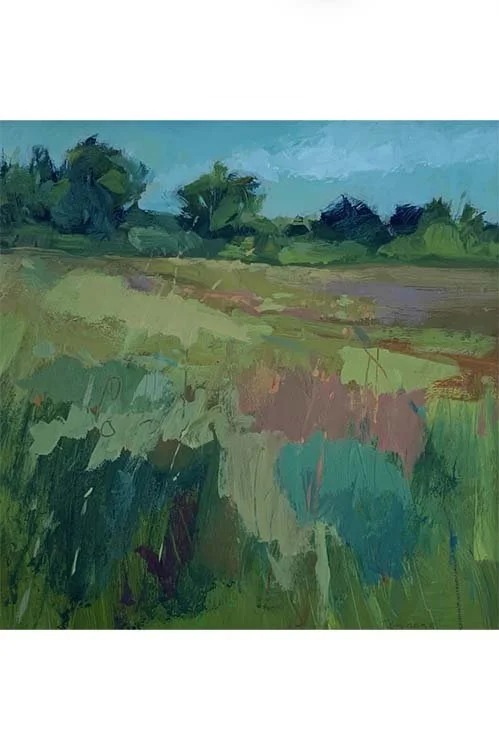 Image 4 of 5
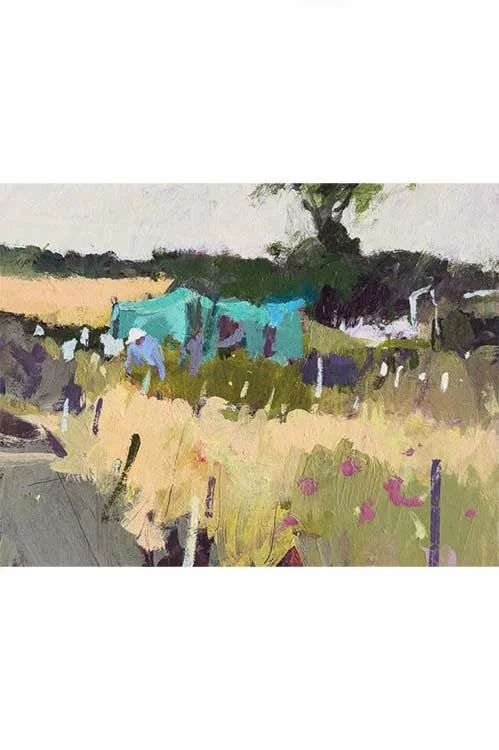 Image 5 of 5
**All sessions are live and will be recorded, students do not have to be present. All recordings will be available to students for 3 months after the final session, after 3 months the recording will be deleted.
Please check your email spam/junk folder for your Zoom invite. Our business hours are 10:00 AM through 5:00 PM. All course information and email correspondence will be sent during business hours. If students purchase a course, workshop, demo or recording outside business hours or during the weekend the course information or recording will be sent the following business day.
DEMO: https://youtu.be/SccvI6LJU4I
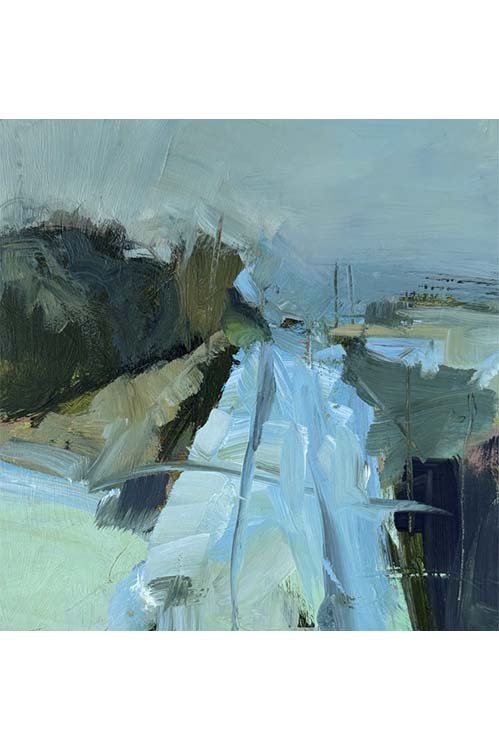
In this 3-week workshop we will be using acrylic paints, combined with drawing media, tocreate fresh, expressive paintings about the landscape.
Working from sketches and photographs we will look at composition and strategies for simplifying the landscape, we will explore mixing colours using a limited palette and we will be creating a final painting, or series of small paintings, which embrace our own unique voice.
Week 1 -
Noticing what we notice and what draws us to a location. What do we want to express in our painting? Breaking down the complexity into shapes and thinking about areas of dark and light. Considering format and design and making sketches and value studies.
Week 2 -
Playing with our materials and tools and a deep dive into colour mixing and colour strategies.
Week 3 -
Combining a continued sense of play with a compositional plan we will work up a final painting, or series of paintings, escaping the need for perfection!
Acrylic Paints – ensure that you use sufficient paint. Student quality is perfectly fine, but use artists quality if you would prefer/can afford it! I tend to use artist quality for later layers.
My student quality paints are Daler Rowney System 3 and my artist quality are Liquitex Heavy Body acrylics.
I am suggesting a limited palette – a cool and warm version each of yellow, red and blue together with white and black. Colour names vary depending on your brand of paint so I am
suggesting options – you only need ONE of each
Cool yellow – Cadmium Yellow Light/Hansa Light/Lemon Yellow
Warm Yellow – Cadmium Yellow Medium/Yellow Medium/Yellow Medium Azo
Warm Red – Cadmium Red Light/Napthol Red Light
Cool Red – Cadmium Red Medium/Napthol Crimson/Alizarin Crimson
Warm Blue – Ultramarine/Cobalt Blue
Cool Blue – Phthalo Blue (Green Shade)/Cerulean
White – Titanium White
Black – Mars Black/Ivory Black
Gloss medium – to dilute paint but also useful as an adhesive if you add collage
Fixative
Drawing/ other ‘mixed media’ materials – use what you have. No need to buy anything especially. Options include
-pencils
- charcoal
-water soluble pencils/crayons
- wax crayons
-oil pastels
-collage papers
Brushes and tools – again use what you have or improvise
-brushes – artists brushes and/or household brushes – small to large
-palette knife(s)
-rollers/brayers
-squegee/straight edge
- anything you find interesting from the kitchen/DIY store!
Surface to work on
-primed board or primed canvas or paper
-sketch book
Miscellaneous
-water pot
-disposable palette
-wet wipes
-your own photographs to work from
**All sessions are live and will be recorded, students do not have to be present. All recordings will be available to students for 3 months after the final session, after 3 months the recording will be deleted.
Please check your email spam/junk folder for your Zoom invite. Our business hours are 10:00 AM through 5:00 PM. All course information and email correspondence will be sent during business hours. If students purchase a course, workshop, demo or recording outside business hours or during the weekend the course information or recording will be sent the following business day.
DEMO: https://youtu.be/SccvI6LJU4I
In this 3-week workshop we will be using acrylic paints, combined with drawing media, tocreate fresh, expressive paintings about the landscape.
Working from sketches and photographs we will look at composition and strategies for simplifying the landscape, we will explore mixing colours using a limited palette and we will be creating a final painting, or series of small paintings, which embrace our own unique voice.
Week 1 -
Noticing what we notice and what draws us to a location. What do we want to express in our painting? Breaking down the complexity into shapes and thinking about areas of dark and light. Considering format and design and making sketches and value studies.
Week 2 -
Playing with our materials and tools and a deep dive into colour mixing and colour strategies.
Week 3 -
Combining a continued sense of play with a compositional plan we will work up a final painting, or series of paintings, escaping the need for perfection!
Acrylic Paints – ensure that you use sufficient paint. Student quality is perfectly fine, but use artists quality if you would prefer/can afford it! I tend to use artist quality for later layers.
My student quality paints are Daler Rowney System 3 and my artist quality are Liquitex Heavy Body acrylics.
I am suggesting a limited palette – a cool and warm version each of yellow, red and blue together with white and black. Colour names vary depending on your brand of paint so I am
suggesting options – you only need ONE of each
Cool yellow – Cadmium Yellow Light/Hansa Light/Lemon Yellow
Warm Yellow – Cadmium Yellow Medium/Yellow Medium/Yellow Medium Azo
Warm Red – Cadmium Red Light/Napthol Red Light
Cool Red – Cadmium Red Medium/Napthol Crimson/Alizarin Crimson
Warm Blue – Ultramarine/Cobalt Blue
Cool Blue – Phthalo Blue (Green Shade)/Cerulean
White – Titanium White
Black – Mars Black/Ivory Black
Gloss medium – to dilute paint but also useful as an adhesive if you add collage
Fixative
Drawing/ other ‘mixed media’ materials – use what you have. No need to buy anything especially. Options include
-pencils
- charcoal
-water soluble pencils/crayons
- wax crayons
-oil pastels
-collage papers
Brushes and tools – again use what you have or improvise
-brushes – artists brushes and/or household brushes – small to large
-palette knife(s)
-rollers/brayers
-squegee/straight edge
- anything you find interesting from the kitchen/DIY store!
Surface to work on
-primed board or primed canvas or paper
-sketch book
Miscellaneous
-water pot
-disposable palette
-wet wipes
-your own photographs to work from