
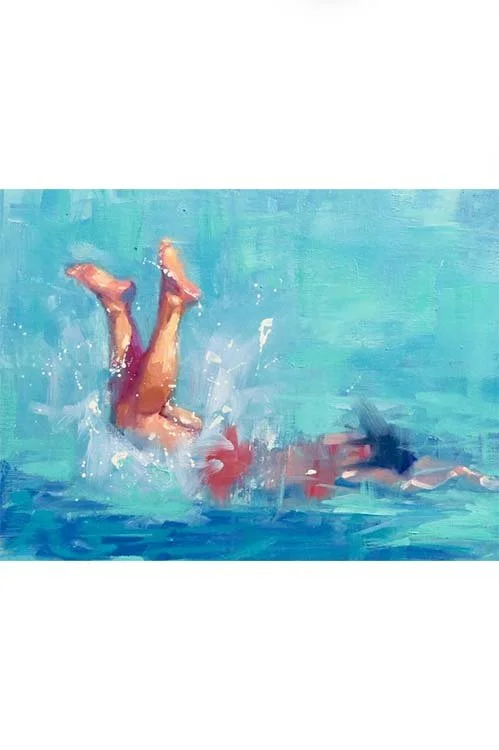
 Image 1 of 4
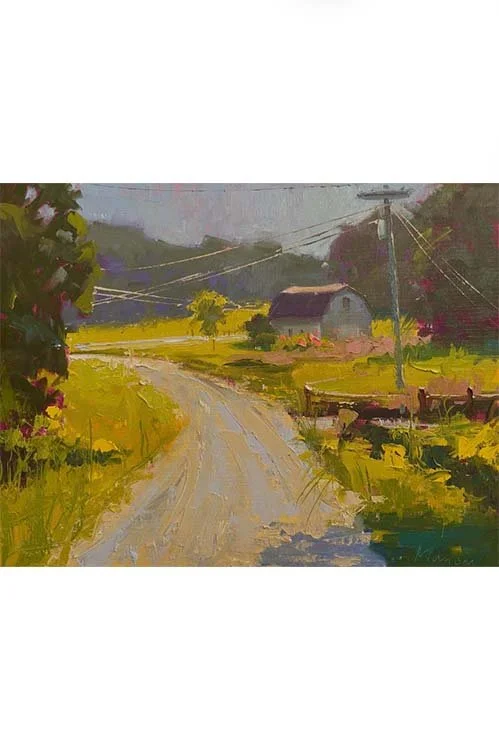 Image 2 of 4
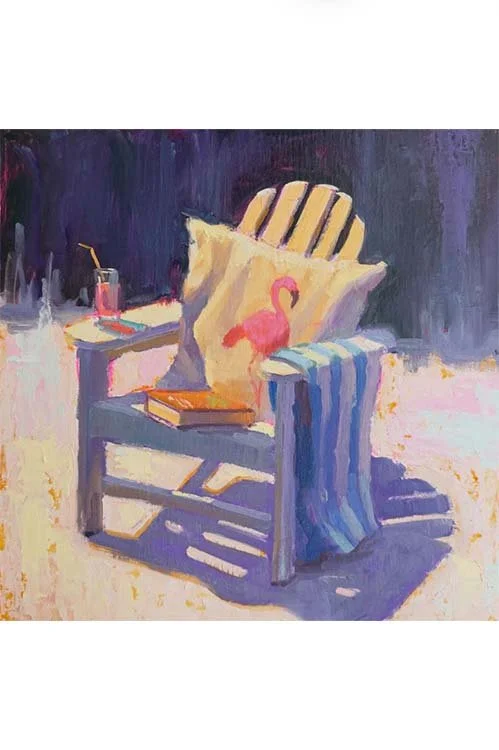 Image 3 of 4
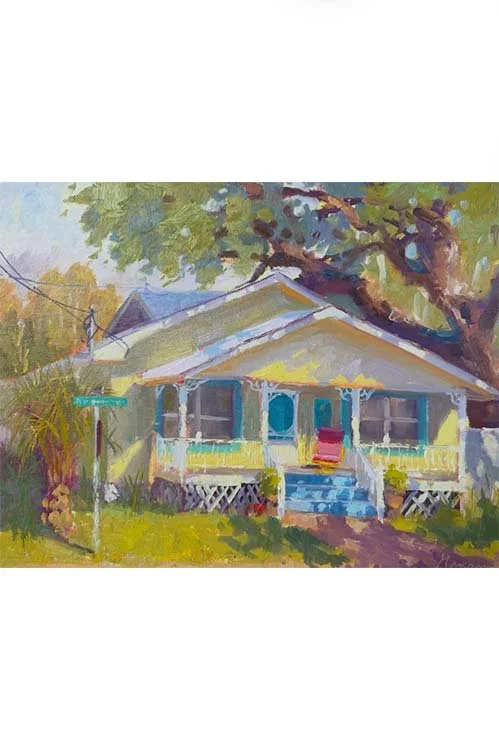 Image 4 of 4
**All sessions are live and will be recorded, students do not have to be present. All recordings will be available to students for 3 months after the final session, after 3 months the recording will be deleted.
Please check your email spam/junk folder for your Zoom invite. Our business hours are 10:00 AM through 5:00 PM. All course information and email correspondence will be sent during business hours. If students purchase a course, workshop, demo or recording outside business hours or during the weekend the course information or recording will be sent the following business day.
Learn Manon’s favorite techniques to painting a luminous, light-filled painting, and replace random decision making with intentional choices in regards to the pillars of creating a painting.
Manon will demonstrate a variety of subject matter using a split-primary palette, an impressionistic alla prima approach, and an easy way of simplifying step-by-step to give you the confidence to paint like you mean it on your own. Liberate yourself from copying your subject and instead have fun with turning it into art by using creativity and artistic choices.
Manon will break down design, values, effective color mixing and how to avoid mud or chalkiness, interesting mark making, and the importance of edges. This workshop is appropriate for oils, acrylics, and gouache. Weekly critiques and feedback, so beneficial for you making progress, will be provided weekly.
Week 1
- Elements of good composition
- How to decide what would make a good painting
- How to simplify your subject matter easily
- How to start out a painting with a solid foundation
- Demo
Week 2
- Deep dive into the properties of color
- Color mixing with intention
- How to avoid chalkiness and muddiness
- Demo
Week 3
- Tools to lead the viewer’s eye through the painting
- Painterly brushwork
- Use of edges
- How to evaluate your own work and find solutions for problem areas in your own
paintings (no more “I know something is wrong, but I can’t put my finger on it”!)
- Demo
Colors:
Titanium White
Lemon Yellow or Cadmium Yellow Light
Cadmium Yellow Medium
Indian Yellow
Cadmium Orange or Permanent Orange (Michael Harding)
Raw Sienna , Yellow Ochre or Golden Ochre
Cadmium Red Light or Naphtol Red
Quinacridone Rose or Permanent Alizarin Crimson
Phthalo Blue or Cerulean
Ultramarine Blue (Michael Harding preferred)
Viridian or Phthalo Green
Transparent Red Oxide or India Red
In general, as long as you have a warm and a cool version of yellow, blue, and red you should be good to go. The colors printed boldly are what’s on my own palette, but the regular printed ones can be used alternatively if you already have them. In general, artist grade paints are to be preferred over student grade.
Medium:
Gamsol (for oil painters)
Gamblin Galkyd Lite Gel
Brushes:
As long as you have a variety of long flats and filberts you’ll be good. Please no short stubby brushes or old stiff paint-encrusted brushes.
Just for your information, here’s what I use:
Long flats natural bristle brushes such as hog hair or Rosemary’s long-handled long flats, “Ivory” or “Shiraz” synthetic bristle
Size 1 round.
Size 2,4, 6, 8, 10 long-bristled flats or filberts.
½” diamond shaped palette knife.
Canvas:
Small canvases, like 6x8”, 8x10”, 9x12, 11.x 14” depending on your speed and comfort level. Squares in similar sizes will work well, too.
Miscellaneous
Paper towels (blue shop towels from Home Depot are great)
Container for mineral spirits
Trash bag
Palette
Small sketch book and pencil
Value markers in light, medium, and dark values
**All sessions are live and will be recorded, students do not have to be present. All recordings will be available to students for 3 months after the final session, after 3 months the recording will be deleted.
Please check your email spam/junk folder for your Zoom invite. Our business hours are 10:00 AM through 5:00 PM. All course information and email correspondence will be sent during business hours. If students purchase a course, workshop, demo or recording outside business hours or during the weekend the course information or recording will be sent the following business day.
Learn Manon’s favorite techniques to painting a luminous, light-filled painting, and replace random decision making with intentional choices in regards to the pillars of creating a painting.
Manon will demonstrate a variety of subject matter using a split-primary palette, an impressionistic alla prima approach, and an easy way of simplifying step-by-step to give you the confidence to paint like you mean it on your own. Liberate yourself from copying your subject and instead have fun with turning it into art by using creativity and artistic choices.
Manon will break down design, values, effective color mixing and how to avoid mud or chalkiness, interesting mark making, and the importance of edges. This workshop is appropriate for oils, acrylics, and gouache. Weekly critiques and feedback, so beneficial for you making progress, will be provided weekly.
Week 1
- Elements of good composition
- How to decide what would make a good painting
- How to simplify your subject matter easily
- How to start out a painting with a solid foundation
- Demo
Week 2
- Deep dive into the properties of color
- Color mixing with intention
- How to avoid chalkiness and muddiness
- Demo
Week 3
- Tools to lead the viewer’s eye through the painting
- Painterly brushwork
- Use of edges
- How to evaluate your own work and find solutions for problem areas in your own
paintings (no more “I know something is wrong, but I can’t put my finger on it”!)
- Demo
Colors:
Titanium White
Lemon Yellow or Cadmium Yellow Light
Cadmium Yellow Medium
Indian Yellow
Cadmium Orange or Permanent Orange (Michael Harding)
Raw Sienna , Yellow Ochre or Golden Ochre
Cadmium Red Light or Naphtol Red
Quinacridone Rose or Permanent Alizarin Crimson
Phthalo Blue or Cerulean
Ultramarine Blue (Michael Harding preferred)
Viridian or Phthalo Green
Transparent Red Oxide or India Red
In general, as long as you have a warm and a cool version of yellow, blue, and red you should be good to go. The colors printed boldly are what’s on my own palette, but the regular printed ones can be used alternatively if you already have them. In general, artist grade paints are to be preferred over student grade.
Medium:
Gamsol (for oil painters)
Gamblin Galkyd Lite Gel
Brushes:
As long as you have a variety of long flats and filberts you’ll be good. Please no short stubby brushes or old stiff paint-encrusted brushes.
Just for your information, here’s what I use:
Long flats natural bristle brushes such as hog hair or Rosemary’s long-handled long flats, “Ivory” or “Shiraz” synthetic bristle
Size 1 round.
Size 2,4, 6, 8, 10 long-bristled flats or filberts.
½” diamond shaped palette knife.
Canvas:
Small canvases, like 6x8”, 8x10”, 9x12, 11.x 14” depending on your speed and comfort level. Squares in similar sizes will work well, too.
Miscellaneous
Paper towels (blue shop towels from Home Depot are great)
Container for mineral spirits
Trash bag
Palette
Small sketch book and pencil
Value markers in light, medium, and dark values